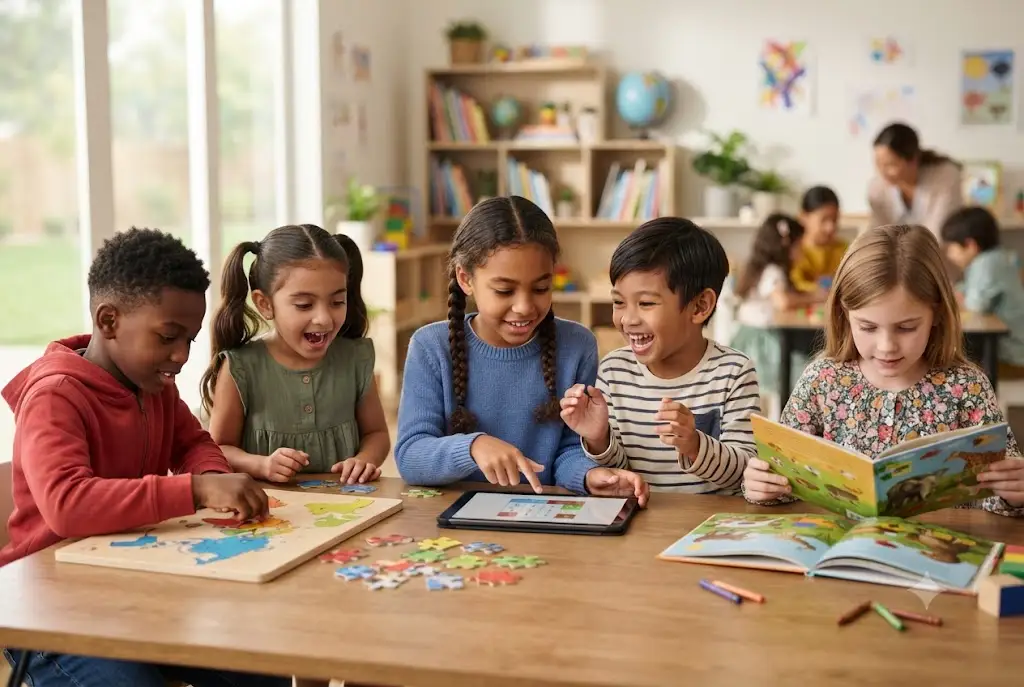
Educational games for kids are a powerful way to combine fun with meaningful learning. Whether at home or in the classroom, these games help children build essential skills such as problem-solving, creativity, and critical thinking while staying engaged and motivated.
As children grow, their learning needs evolve. Choosing age-appropriate games ensures that kids remain challenged without becoming frustrated. From simple activities for younger children to more complex games for older kids, there are endless opportunities to make learning enjoyable.
Why Educational Games Matter
Children learn best when they are actively involved. Educational games transform traditional learning into an interactive experience, allowing kids to explore concepts in a hands-on way. This approach improves retention and helps children develop a love for learning.
In addition, games encourage independence and confidence. As kids complete challenges and achieve goals, they gain a sense of accomplishment that motivates them to continue learning.
Educational Games for Different Age Groups
Games for 5 Year Olds
At this stage, children are developing basic literacy and numeracy skills. The best games for 5 year olds focus on simple instructions, colorful visuals, and interactive elements. Activities such as matching games, counting exercises, and storytelling games are ideal.
Parents can also explore games for kindergarteners to find engaging options tailored to younger learners.
Games for 7 Year Olds
As children grow, they become more capable of handling structured challenges. Games for 7 year olds often include problem-solving tasks, memory challenges, and basic strategy elements. These games help improve concentration and logical thinking.
Interactive quizzes, puzzles, and beginner-level educational apps are excellent choices for this age group.
Games for 8 Year Olds
Children at this age are ready for more complex activities. Games for 8 year olds can include advanced puzzles, math-based challenges, and creative problem-solving tasks. These games encourage critical thinking and help children apply what they’ve learned in new ways.
Games for 9 Year Olds
For older kids, games can involve deeper strategy and collaboration. Games for 9 year olds often include team-based challenges, simulations, and project-based learning activities. These experiences help develop teamwork, communication, and leadership skills.
Types of Educational Games for Kids
Academic Games
Academic games focus on subjects such as math, reading, science, and geography. For example, geography games can help children learn about countries, maps, and cultures in an interactive way.
Creative Games
Creative games encourage imagination and self-expression. Activities like drawing, storytelling, and building projects allow children to explore their creativity while developing important cognitive skills.
Physical Learning Games
Physical activity is essential for overall development. Incorporating physical education games into learning helps children stay active while improving coordination and motor skills.
Digital Learning Games
Online learning games provide interactive experiences with engaging visuals and sounds. These games can adapt to a child’s skill level, offering personalized learning opportunities.
Benefits of Learning Games by Age
Organizing educational games by age ensures that children receive the right level of challenge. Age-appropriate games help build confidence, maintain interest, and support steady development.
Additionally, these games promote a variety of skills, including:
- Critical thinking and problem-solving
- Memory and concentration
- Social and communication skills
- Creativity and imagination
Using Educational Games at Home
Parents can easily incorporate educational games into daily routines. Simple activities such as word games during car rides or math challenges during shopping trips can make learning a natural part of everyday life.
Families can also explore homeschool games to create structured learning experiences at home.
Choosing the Best Educational Games
When selecting educational games for kids, consider the child’s interests, age, and skill level. Look for games that are engaging, interactive, and aligned with learning goals.
It’s also important to balance screen time with hands-on activities. Combining digital games with physical and creative play ensures a well-rounded learning experience.
Trusted Online Resources
There are many platforms that offer high-quality educational games. One popular option is the National Geographic Kids games section, which provides interactive activities that combine fun with learning.
Conclusion
Educational games for kids are an essential part of modern learning. By tailoring games to different age groups, parents and educators can ensure that children remain engaged and motivated throughout their learning journey.
From simple activities for younger children to advanced challenges for older kids, educational games provide endless opportunities to learn, grow, and have fun. With the right approach, learning becomes an exciting adventure that children look forward to every day.