
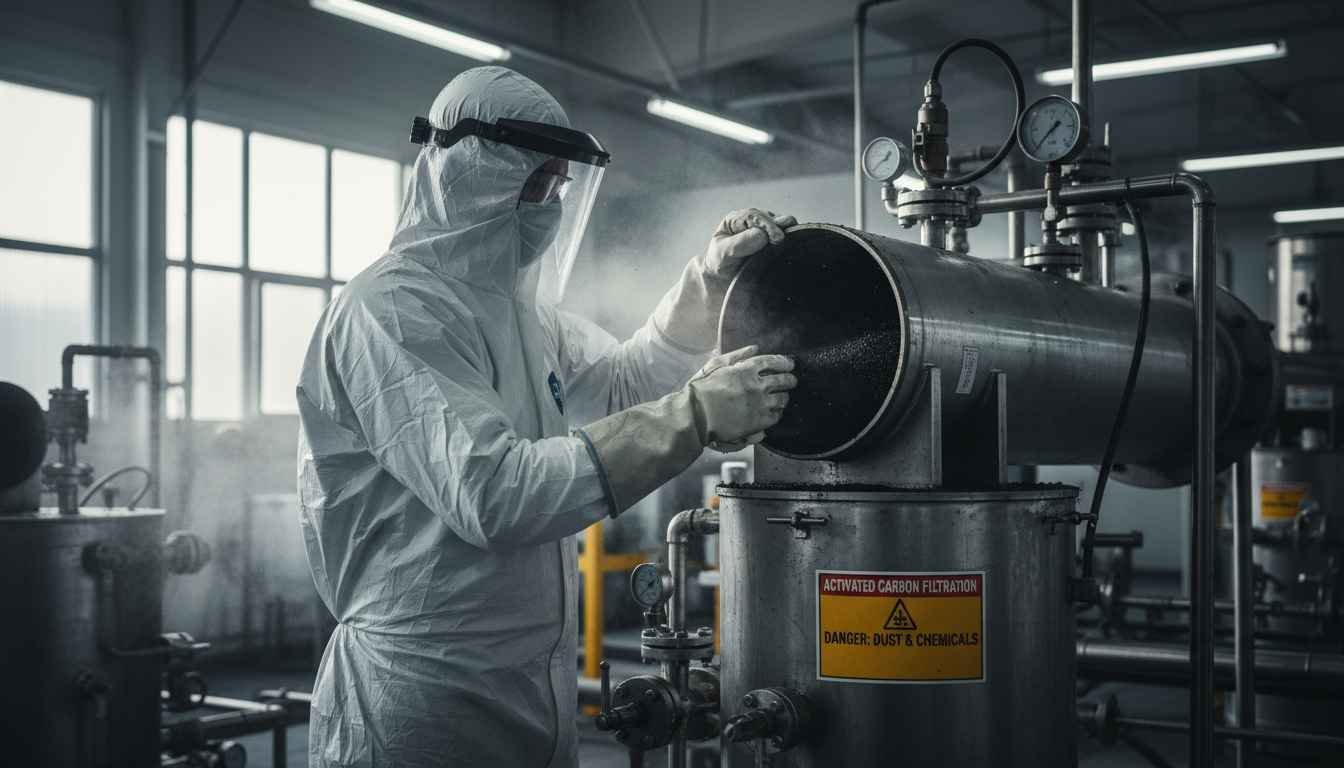
Imagine if you could ensure your activated carbon filters were always performing at peak efficiency, extending their lifespan while keeping your environment safe and clean. Proper service and maintenance of activated carbon filter media is not just a technical necessity – it’s a critical step in protecting both health and operational integrity.
Activated carbon filters work by adsorbing contaminants from air or water, but over time, their effectiveness diminishes as the media becomes saturated. Regular maintenance ensures these filters continue to trap pollutants effectively and prevents costly system downtime.
Timeline of Activated Carbon Filter Media Evolution
1940s: Introduction of granular activated carbon for water purification.
1960s: Expansion into air purification for industrial applications.
1980s: Development of specialized carbon media targeting specific chemical contaminants.
2000s: Integration with automated monitoring and digital maintenance alerts.
2020s: Smart service solutions and eco-friendly regeneration methods.
Key Maintenance Practices
Regular inspection is the cornerstone of effective carbon filter maintenance. Check for signs of physical damage, channeling, or unusual odors, which indicate saturation. Scheduled media replacement is essential – typically every 6 to 12 months depending on usage and contaminant levels.
Cleaning or regenerating activated carbon can restore performance in some cases, but improper handling may release trapped contaminants. Ensure safe disposal of spent media according to local regulations to prevent environmental hazards.
Who Should Avoid This?
Individuals without proper protective equipment or training should not attempt maintenance themselves, as activated carbon may release concentrated contaminants if mishandled. Those dealing with highly toxic or industrial-grade chemicals should rely on certified service providers to ensure safety.
For organizations managing multiple filter systems or requiring precise recordkeeping, leveraging professional service solutions can streamline operations. Platforms like Access offer digital tracking, automated alerts, and compliance management, reducing manual errors and ensuring reliable maintenance schedules.
Potential Drawbacks
Activated carbon filters are highly effective but not universal; certain contaminants like dissolved minerals or microbial pathogens may pass through. Overlooking maintenance schedules or improper installation can also compromise performance. Awareness of these limitations helps maintain realistic expectations and optimize filter use.
By adopting a disciplined service and maintenance routine, organizations can maximize filter lifespan, maintain clean air or water, and ensure regulatory compliance. Understanding when to inspect, replace, or safely regenerate carbon media is key to long-term efficiency and safety.


