
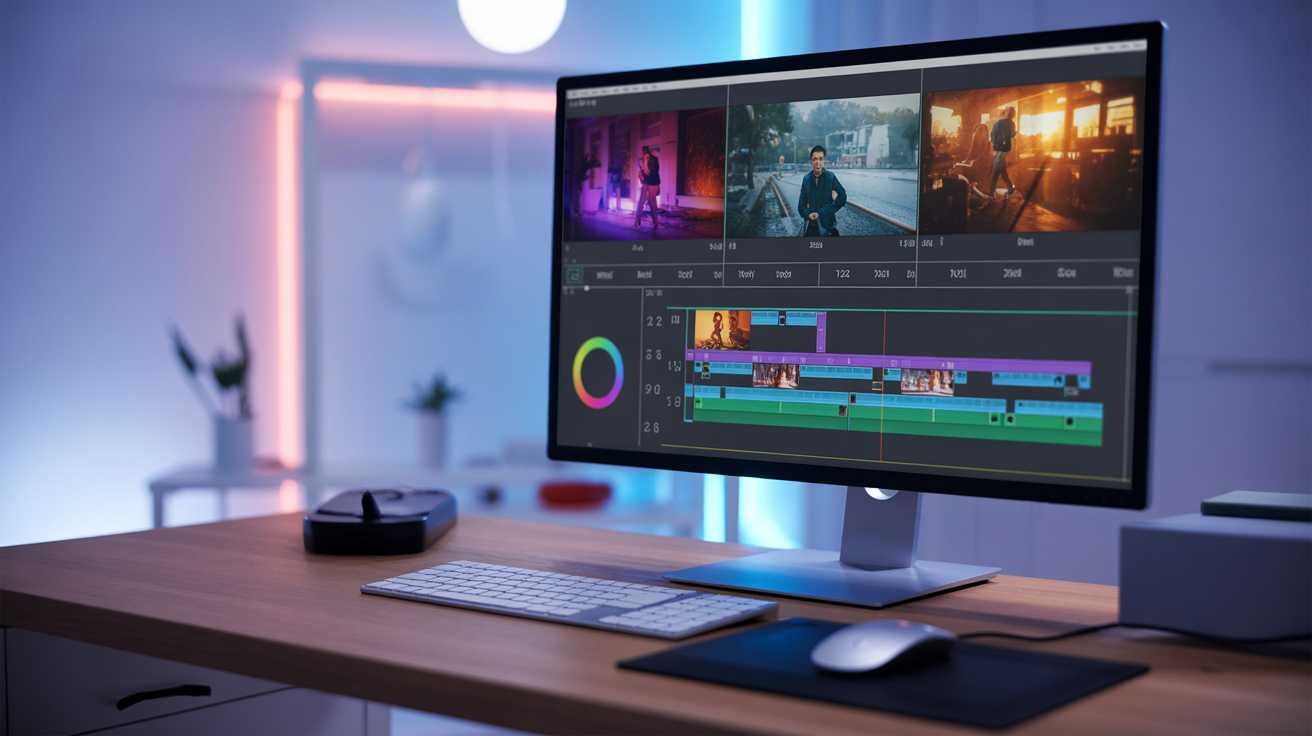
In today’s fast-paced digital landscape, mastering video editing isn’t just a skill – it’s a necessity. Whether you’re aiming to captivate audiences on social media, enhance educational content, or produce professional-grade videos, the ability to craft compelling visuals and narratives can set you apart. But here’s the catch: the window of opportunity is closing. As platforms evolve and audience expectations rise, those who hesitate risk falling behind. The time to act is now.
Understanding the Power of Video Editing
Video editing is more than just cutting and splicing footage; it’s about telling a story, evoking emotions, and creating a visual experience that resonates with viewers. Imagine the thrill of watching a well-edited music video where every beat aligns perfectly with the visuals, or an educational tutorial where complex concepts are broken down seamlessly. This is the magic of video editing. It’s the difference between a forgettable clip and a viral sensation. In a world where content is king, mastering video editing is your key to reigning supreme.
Choosing the Right Video Editing Software
The journey to becoming a proficient video editor begins with selecting the right tools. With a plethora of software options available, it’s crucial to choose one that aligns with your goals and skill level. For beginners, user-friendly platforms like CapCut or Wondershare Filmora offer intuitive interfaces and a range of features to get started. As you progress, more advanced software like Adobe Premiere Pro or DaVinci Resolve provides greater control and professional-grade capabilities. Remember, the right software is an investment in your craft – choose wisely, and it will pay dividends.
Fundamentals of Video Editing
Before diving into complex edits, it’s essential to grasp the fundamentals. Start by understanding the timeline: the backbone of your project. Learn how to import and organize your footage, cut and trim clips, and arrange them to create a coherent narrative. Pay attention to pacing – how the rhythm of your edits can influence the mood and flow of the video. Incorporate transitions smoothly to maintain continuity. Mastering these basics will provide a solid foundation upon which you can build more advanced techniques.
Advanced Editing Techniques
Once you’re comfortable with the basics, it’s time to elevate your editing skills. Explore color grading to set the tone and mood of your video. Use keyframing to animate elements and create dynamic movements. Experiment with audio mixing to ensure clear dialogue and balanced sound effects. Incorporate visual effects and motion graphics to add flair and professionalism. These advanced techniques can transform a good video into a great one, making it stand out in a crowded digital space.
Optimizing Videos for Different Platforms
Each platform has its own set of requirements and audience expectations. A video that performs well on Instagram may not have the same impact on YouTube or TikTok. Understanding these nuances is crucial for maximizing your video’s reach and engagement. Tailor your content to fit the platform’s specifications – considering aspects like aspect ratio, video length, and audience demographics. By optimizing your videos, you ensure they resonate with viewers and perform well across various platforms.
Incorporating Music into Your Videos
Music is a powerful tool in video editing. It can set the tone, evoke emotions, and enhance the overall viewing experience. When selecting music, ensure it complements the visuals and narrative. Utilize royalty-free music or obtain proper licenses to avoid copyright issues. Adjust the audio levels to maintain clarity and balance. Remember, the right soundtrack can elevate your video from good to unforgettable.
Learning from Real-World Examples
One of the most effective ways to learn video editing is by analyzing real-world examples. Study videos that you admire and dissect their editing techniques. Pay attention to how they use transitions, pacing, and effects. Try to replicate these techniques in your own projects to understand their application. Additionally, seek feedback from others to identify areas for improvement. Continuous learning and practice are key to honing your editing skills.
Staying Updated with Industry Trends
The world of video editing is constantly evolving, with new tools, techniques, and trends emerging regularly. Staying updated with these changes is essential to remain competitive. Follow industry blogs, attend webinars, and participate in online communities to keep your skills sharp. Embrace new technologies like AI-powered editing tools and 360-degree video to stay ahead of the curve. By staying informed and adaptable, you ensure your content remains relevant and engaging.
Building a Portfolio and Gaining Experience
As you develop your editing skills, it’s important to build a portfolio that showcases your work. Start by creating personal projects or offering your services to friends and family. Volunteer for local events or collaborate with other creators to gain experience. A strong portfolio can open doors to freelance opportunities and full-time positions. Remember, every project is a chance to learn and grow as an editor.
If you want to enhance your photography techniques for both commercial and artistic endeavors, consider exploring powerphone education to unlock new creative possibilities.
If you want to elevate your photography skills and tell compelling visual stories, consider exploring the resources offered by TCU Extended Education, where expert guidance awaits to ignite your creativity.
To learn more about effective strategies in digital illustration, consider how yvonne orji education can inspire your creative journey and improve your artwork quality.
If you want to master the art of storytelling through video, exploring bennys educational resources can provide you with invaluable insights and techniques.


