
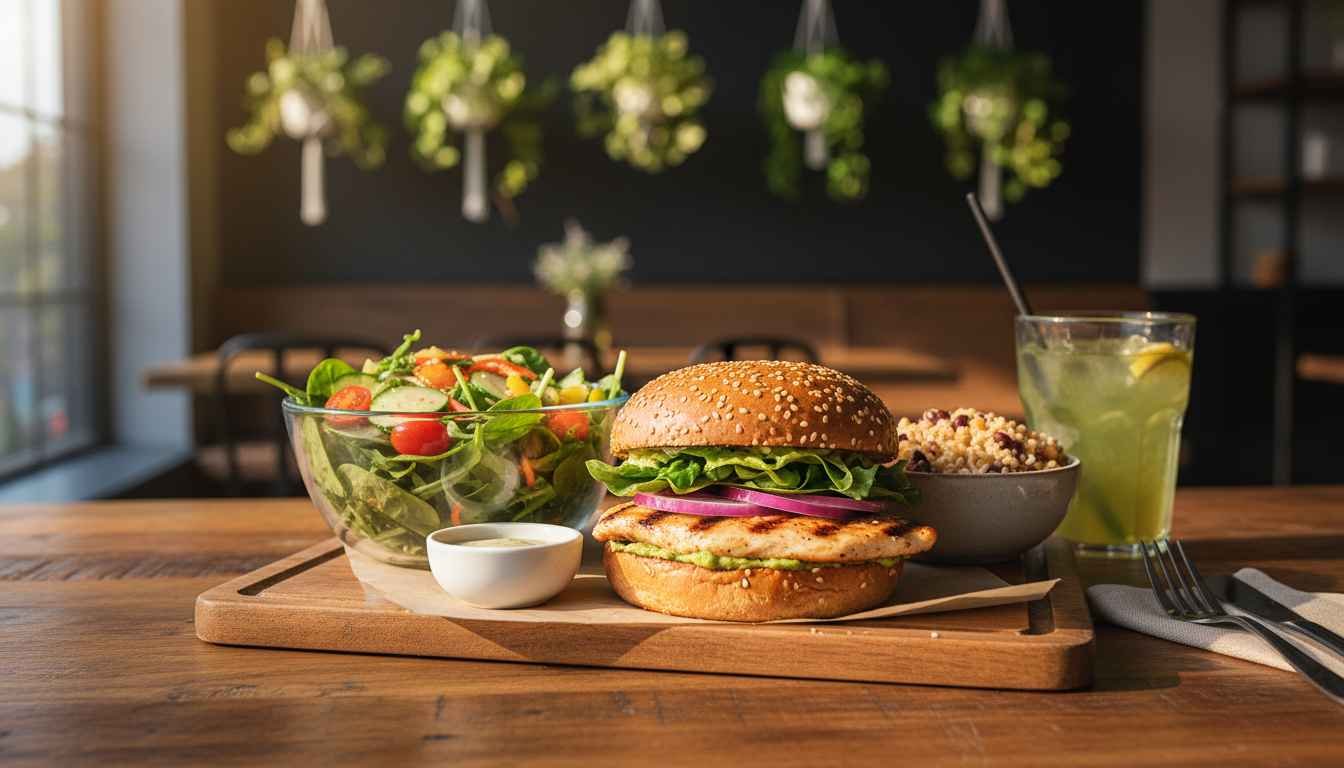
Let’s cut the crap. The fast-food industry has long carried a reputation for greasy, calorie-laden meals that sabotage any serious nutrition plan. Yet, in recent years, a significant shift has occurred. Health-conscious consumers, fitness enthusiasts, and even everyday diners are demanding meals that balance convenience with macro-friendly profiles. This evolution has given rise to a growing segment of fast-food options that deliver on protein, carbohydrates, and fats without completely derailing your dietary goals.
The term “macro” refers to macronutrients – the essential nutrients our bodies need in large amounts: protein, carbohydrates, and fats. In the context of fast food, “macro-friendly” means meals that allow for efficient tracking and alignment with fitness goals. Restaurants that once focused solely on taste and speed are now crafting menus with macro transparency, catering to customers who track calories and nutrients meticulously. From lean protein-packed bowls to balanced sandwiches, the landscape of fast food is evolving fast.
Protein remains the cornerstone of any macro-conscious meal, and it’s no surprise that tuna, chicken, and lean beef dominate these menus. Canned seafood, particularly tuna and salmon, has become a staple for health-focused fast food enthusiasts. It’s convenient, shelf-stable, and nutrient-dense, providing high-quality protein and omega-3 fatty acids without excess calories. Brands like American Tuna have tapped into this demand by offering premium canned options that can be easily incorporated into quick meals or restaurant offerings.
Protein-Centric Fast Food Options
Grilled chicken sandwiches, turkey wraps, and fish bowls are among the leading protein-focused fast food choices. These items typically range from 25 to 40 grams of protein per serving while keeping fat and carbohydrate content within reasonable limits. Chicken remains a favorite due to its versatility and lean profile, but salmon and tuna are emerging as the superior macro-friendly proteins due to their high omega-3 content and satiating properties. Consumers who prioritize muscle maintenance, fat loss, or overall wellness find these options appealing because they provide nutrient density without the unnecessary caloric load of fried alternatives.
Restaurants like Chipotle and Sweetgreen have pioneered the customizable bowl concept, allowing patrons to select their preferred protein, carb source, and vegetables, making macro tracking straightforward. A standard chicken or tuna bowl with brown rice, beans, and vegetables can deliver roughly 500–600 calories with a balanced macronutrient profile of approximately 40 grams protein, 50 grams carbohydrates, and 15 grams fat. This precise composition makes it easy for users to integrate into a daily meal plan while maintaining nutritional goals.
Carbohydrate Considerations
Carbohydrates are often demonized in popular dieting culture, but they play an essential role in energy provision and recovery, especially for active individuals. Macro-friendly fast food options prioritize complex carbs over refined flour and sugar. Whole grain buns, quinoa, brown rice, and roasted sweet potatoes are now appearing on menus alongside lean proteins. These choices provide sustained energy, fiber, and micronutrients, contrasting sharply with traditional fast-food fries and sugary sides.
Fast casual establishments are leading the charge with these substitutions, demonstrating that convenience does not need to come at the expense of quality. Pairing these carbs with protein and healthy fats creates a balanced meal that stabilizes blood sugar and enhances satiety – two critical factors often overlooked in conventional fast-food offerings.
Healthy Fats in Fast Food
Fats are another critical macro to monitor. The inclusion of healthy fats in fast food is gaining traction as restaurants respond to consumer demand for nutrient-dense, functional meals. Avocado, nuts, olive oil, and fatty fish like salmon provide essential fatty acids that support heart and brain health. For example, a salmon salad bowl with avocado slices can deliver 20–25 grams of protein, 15 grams of healthy fats, and moderate carbohydrate content, making it a robust macro-friendly choice for lunch or dinner on the go.
As parents, ensuring our little ones receive the best nutrition is a top priority, especially during their formative years when healthy growth is crucial. With a myriad of options available on the market, it can be overwhelming to choose the right baby food that combines quality, taste, and nutrition. This is where mom’s organic choice baby food comes into play, offering a reliable solution that aligns with both health standards and picky palates. In this article, we’ll explore the daily routine that incorporates this organic choice, detailing how it can contribute to your baby’s overall development while making mealtime a joyful experience for both you and your child. Understanding the balance of nutrients and flavors can set the foundation for healthy eating habits that last a lifetime.
As parents, we all want to provide our little ones with the best start in life, and nutrition plays a crucial role in that journey. Introducing solid foods to your baby’s diet is an exciting milestone, and choosing healthy options can set the stage for a lifetime of good eating habits. One delightful and nutritious option that many parents love is homemade strawberry baby food. This tasty treat not only pleases your baby’s palate but also offers essential vitamins and minerals. If you’re looking for a simple yet delicious way to make this wholesome dish, check out our strawberry baby food recipe that promises to nourish your child from the very beginning.
These meals are also increasingly customizable, allowing diners to add or remove high-fat ingredients to suit individual macronutrient targets. This level of transparency is invaluable for individuals meticulously tracking intake to meet fitness goals or manage weight.
Potential Drawbacks
Despite the growing availability of macro-friendly fast food, there are limitations to consider. Portions can vary significantly, and not all restaurants provide detailed nutritional information. Some options that appear healthy may be high in sodium or contain hidden sugars in sauces and dressings. Additionally, pricing for macro-focused fast food tends to be higher than traditional offerings, which can deter budget-conscious consumers.
Those with specific dietary restrictions – such as individuals managing kidney disease, severe allergies, or chronic inflammation – may find even these healthier options suboptimal. Consulting a registered dietitian is recommended before making any significant changes to one’s fast-food consumption, especially if relying on it as a frequent meal source.
Who Should Avoid This?
Macro-friendly fast food is ideal for fitness enthusiasts, busy professionals, and individuals aiming to maintain a balanced diet without sacrificing convenience. However, those who require specialized diets, are prone to gastrointestinal sensitivities, or struggle with portion control might want to limit intake. The convenience and perceived healthiness can sometimes lead to overconsumption, which undermines dietary goals.
Market Trends and Future Outlook
The fast-food industry is witnessing a macro revolution. Data from recent market analyses show that the demand for high-protein, low-calorie options has grown by over 25% in the past three years. Chains are investing in more transparent nutritional labeling, menu innovations, and the integration of premium ingredients like wild-caught tuna, sustainable salmon, and plant-based proteins. This trend is not just a fad but a reflection of a broader societal shift toward conscious eating, convenience, and personalized nutrition.
Consumers are also showing a preference for functional meals that deliver both nutrition and flavor. Items that include protein-packed seafood, whole grains, and healthy fats are no longer niche offerings – they are becoming mainstream. This evolution suggests that macro-conscious fast food is set to expand rapidly, with innovation focused on taste, convenience, and measurable nutritional value.
Money-Back Perspective
While investing in macro-friendly fast food may carry a higher price point, the nutritional return can justify the cost. Consumers who commit to these meals often report improved energy levels, better satiety, and more straightforward adherence to dietary goals. Restaurants offering customizable bowls, lean proteins, and nutrient-dense ingredients provide a “risk-free” opportunity to integrate fast food into a healthy lifestyle, as long as one remains aware of portion sizes and hidden ingredients.
Overall, the best macro fast food is no longer an oxymoron. It’s a strategic combination of lean proteins, complex carbohydrates, and healthy fats that respects both the body and the demands of modern life. By understanding the macro content and making informed choices, diners can enjoy the convenience of fast food without sacrificing health, performance, or nutritional integrity.
Summary
The landscape of fast food is shifting toward macro-friendly meals that prioritize protein, complex carbs, and healthy fats. Tuna, salmon, and chicken dominate protein options, while whole grains and vegetables provide sustainable energy. Healthy fats from avocado, nuts, and fatty fish are increasingly incorporated. While these meals are convenient and nutritionally valuable, potential drawbacks include hidden sodium, sauces, and price considerations. Overall, macro-conscious fast food presents a practical, balanced option for health-focused individuals seeking convenience without compromise.


