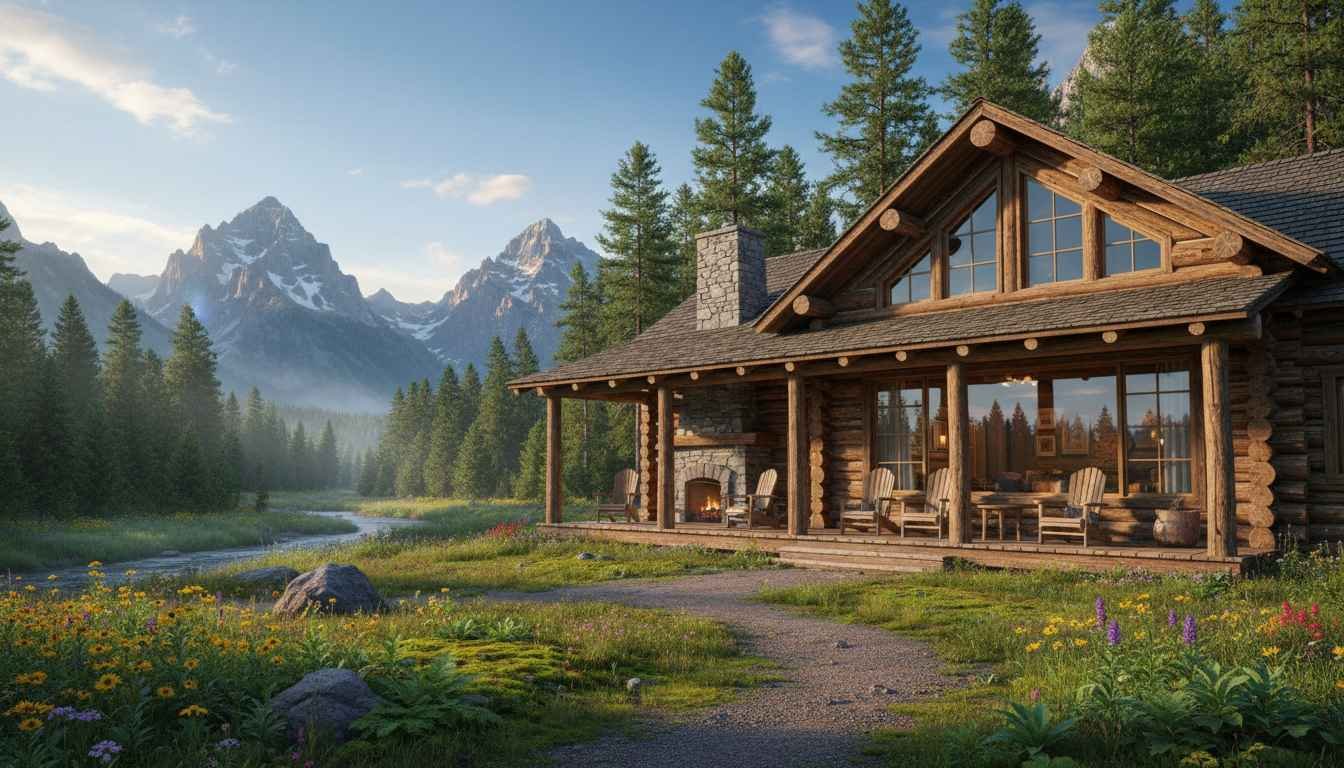
Identifying the best nature places to visit in usa involves evaluating diverse ecological zones spanning from the Pacific coastlines to the dense forests of the Atlantic.
Travelers frequently prioritize sites recognized for their geological significance and biological diversity while planning extended trips across the various states of North America.
National Parks Of The Western United States
Yellowstone National Park remains a primary destination for geothermal activity and provides critical habitats for grizzly bears, wolves, and large herds of free-roaming bison.
Within the Travel & Tourism sector, the Grand Canyon is cited for its immense scale and the visible geological history revealed by the Colorado River.
Ecological Diversity In The Appalachian Mountains
The Great Smoky Mountains National Park supports thousands of species of flora and fauna within its ancient temperate rainforests and high-elevation ridges across Tennessee.
Families often seek educational experiences at sites like Acadia National Park. Resources like Bimbieviaggi highlight the importance of nature-based travel for younger generations globally.
Commonly Asked Questions About Best Nature Places To Visit In Usa
- What are the unique features in best nature places to visit in usa?
The diverse geography includes active volcanic systems, ancient redwoods, deep river canyons, and vast mangrove swamps located across different environmental zones.
- When is the optimal season for best nature places to visit in usa?
Seasonal changes vary significantly by region, though most visitors prefer late spring or early autumn for mild temperatures and active wildlife viewing opportunities.
- Are the best nature places to visit in usa accessible to everyone?
Federal agencies maintain numerous accessible trails and overlooks, ensuring that individuals with varying mobility levels can experience the natural beauty of the country.
Southwestern Deserts And Tropical Wetlands
Zion National Park showcases massive sandstone cliffs and narrow slot canyons, representing the unique arid beauty found within the high desert regions of southern Utah.
Everglades National Park in Florida serves as a vital sanctuary for endangered species like the manatee and the elusive Florida panther within its subtropical wilderness.
Northern Wilderness And Alpine Environments
The Olympic Peninsula contains diverse ecosystems ranging from glacier-capped mountains to temperate rainforests and rugged Pacific shorelines, offering a wide variety of outdoor exploration options.
Crater Lake National Park in Oregon features the deepest lake in the United States, formed within a dormant volcanic caldera surrounded by sheer cliffs and forests.
Rocky Mountain National Park provides high-altitude tundra environments where bighorn sheep and elk are frequently observed among the towering peaks and alpine meadows of Colorado.
Conservation initiatives ensure that these habitats remain viable for future research and public appreciation, maintaining the ecological integrity of the most significant natural landmarks nationwide.
Environmental conservation efforts remain essential for protecting these landscapes against the impacts of climate change and increasing human activity within sensitive ecological corridors.
Each location contributes to a broader understanding of the natural heritage preserved within the federal system of parks and protected wilderness areas nationwide.
With its blend of natural beauty and rich history, Wisconsin offers unforgettable experiences for every traveler. Discover more about the diverse places to visit in wisconsin in summer that will make your summer unforgettable.