
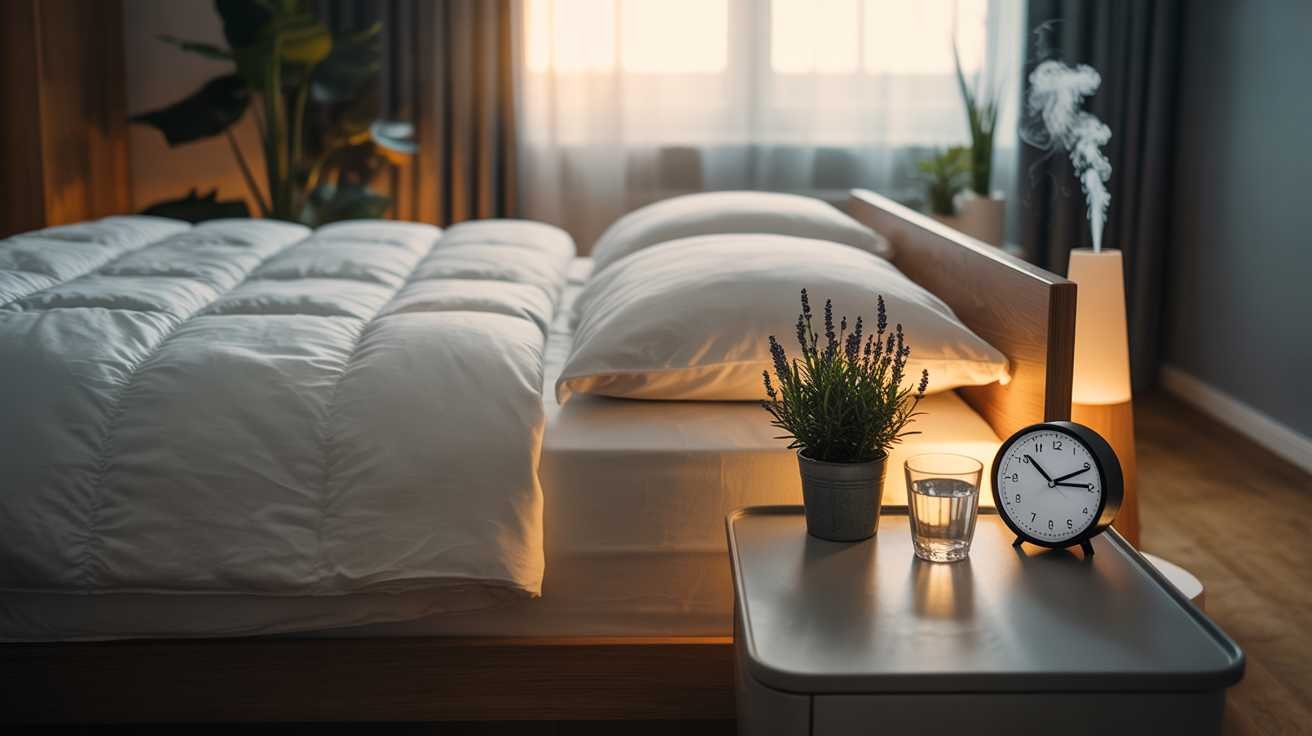
The Power of Sleep: Why It’s Non-Negotiable for Immunity
Imagine lying in a peaceful, dark room, the weight of the world momentarily lifted, as your body begins to heal itself from the inside out. Sleep is no longer a luxury – it’s a vital component of your overall health, especially when it comes to boosting immunity. Without proper sleep, your immune system falters, making you more susceptible to infections, illnesses, and diseases. If you’ve been skimping on sleep, you’re likely risking more than just your energy levels – you’re risking your immune function. Studies consistently show that lack of sleep weakens the immune system, and in today’s fast-paced world, this has become an increasingly urgent issue. In fact, sleep deprivation is linked to a reduced ability to fight off common colds, the flu, and even chronic conditions. So, what’s the secret? It all starts with a solid sleep routine, one that prioritizes the essentials of a truly restorative night’s rest. And if you’re wondering about the link between sleep and immunity, just look at those who’ve experienced a turnaround in their health after improving their sleep habits. That’s the life-changing potential of this simple yet powerful strategy.
How Sleep Strengthens Your Body’s Defense Mechanisms
During sleep, your body enters a state of repair and rejuvenation, both physically and mentally. White blood cells – the warriors of your immune system – increase during sleep, ready to fight off infections and diseases. But here’s the catch: sleep isn’t just about shutting down your body; it’s a complex, intricate process that influences various immune responses. When you get a restful night, you significantly boost the production of cytokines – proteins that help the immune system battle off infections. When deprived of sleep, the production of these essential cytokines drops, leaving you vulnerable to illnesses. It’s clear that sleep acts as a recharge button, one that primes your body to face anything that comes its way. Your body’s cells are busy repairing and regenerating when you sleep, and this process also includes an increased production of the infection-fighting proteins and antibodies. Not enough sleep? The results are not just fatigue – they’re compromised defenses, leaving you exposed to external threats that could otherwise be fought off effortlessly.
Sleep Deprivation and Its Impact on Immunity: A Growing Concern
Have you ever noticed that after a night of poor sleep, you’re more likely to catch a cold or feel rundown? This isn’t coincidence – it’s the result of chronic sleep deprivation taking a toll on your immune system. In fact, researchers have found a direct link between insufficient sleep and increased vulnerability to infections. Without quality rest, your body’s ability to respond to illness is severely impaired, and this leads to a cascade of negative health effects. But what’s the true cause of this link? Sleep deprivation disrupts the balance of cortisol, the stress hormone, which in turn negatively impacts your immune function. Cortisol is necessary in small amounts to regulate inflammation, but excessive cortisol levels, a result of lack of sleep, lead to chronic inflammation, which impedes your body’s healing processes. Sleep deprivation also hinders the production of growth hormone, which is responsible for cellular repair. As you can see, the effects are wide-ranging and detrimental, emphasizing the need for solid sleep strategies. If you’ve been pushing your body beyond its limits, it’s time to reconsider your priorities – your immune system needs your attention now more than ever.
Effective Sleep Strategies: How to Start Getting the Rest You Need
Now that you understand the critical role sleep plays in your immunity, it’s time to implement effective sleep strategies to maximize your body’s defense mechanisms. Start by establishing a consistent sleep schedule. Your body thrives on routine, and going to bed and waking up at the same time each day can significantly improve your sleep quality. Aim for seven to nine hours of sleep each night, but don’t just focus on the quantity – quality matters just as much. To ensure you’re getting the deepest, most restorative sleep, create a sleep-friendly environment. Dim the lights in your bedroom an hour before bed, and make sure your room is cool and quiet. This environment signals to your body that it’s time to wind down. Also, avoid electronics before bedtime, as the blue light emitted from screens disrupts melatonin production, making it harder for your body to fall asleep. Integrating these strategies into your routine is crucial for a healthier immune system.
The Role of Nutrition in Enhancing Sleep and Immunity
Your diet plays a significant role in how well you sleep, and in turn, how well your immune system functions. Nutrients like magnesium, zinc, and vitamins B6 and C have been shown to support both sleep and immunity. Magnesium, for example, is known for its relaxing properties and can help you wind down after a stressful day. Zinc, found in foods like nuts and seeds, is essential for immune cell function. Moreover, a diet rich in antioxidants – like those found in leafy greens and berries – helps to combat inflammation and bolster immune responses. To ensure your body has the fuel it needs for both quality sleep and immunity, focus on a balanced, nutrient-dense diet. Consider incorporating foods like fatty fish, which are rich in omega-3s, known to reduce inflammation and support sleep cycles. This isn’t just about what you eat before bed; it’s about making strategic choices throughout the day to keep your body in its optimal health state.
How Stress Impacts Sleep and Immunity: What You Need to Know
Stress is a silent disruptor of both your sleep and your immune system. When you’re stressed, your body releases cortisol, which, while beneficial in short bursts, becomes harmful when elevated for prolonged periods. Chronic stress leads to sleep disturbances, from trouble falling asleep to restless nights filled with anxiety. This lack of restorative sleep in turn weakens your immune defenses, creating a vicious cycle. To combat stress, consider integrating relaxation techniques into your daily routine. Deep breathing exercises, progressive muscle relaxation, and even yoga can help reduce cortisol levels and promote better sleep. As you manage stress, you’ll not only see improvements in your sleep quality but also witness the benefits of a stronger, more resilient immune system. In fact, studies have shown that individuals who practice stress-reduction techniques experience fewer colds and other illnesses, thanks to the positive impact on their immunity.
Sleep and Mental Health: A Deeper Connection
It’s no secret that mental health and sleep are closely intertwined. Poor sleep contributes to anxiety, depression, and stress, all of which weaken your immune system. On the other hand, a healthy mental state promotes better sleep, creating a positive feedback loop. The challenge, however, lies in breaking the cycle of poor sleep and mental distress. To improve your sleep and, by extension, your immunity, consider practicing mindfulness and cognitive-behavioral techniques designed to reduce negative thought patterns. Journaling, for instance, can help alleviate anxiety by releasing pent-up emotions, allowing for more peaceful sleep. This approach not only benefits your mental health but directly boosts your body’s ability to defend itself. In other words, nurturing your mind is just as crucial for your immune system as nurturing your body.
The Role of Exercise in Sleep and Immunity: A Vital Synergy
Exercise is often touted as a miracle worker for both sleep and immunity, and for good reason. Regular physical activity promotes better sleep by helping you fall asleep faster and enjoy deeper rest. Exercise also stimulates the production of immune-boosting endorphins, which help your body fight off illness. But the timing of exercise is important. While morning or afternoon exercise can energize you and set the stage for a peaceful night, working out too close to bedtime can have the opposite effect, increasing adrenaline levels that disrupt sleep. Aim to finish any vigorous exercise at least three hours before you plan to sleep. By finding the right balance, exercise can act as a powerful ally in your pursuit of optimal health, enhancing both your sleep quality and your immune function.
What to Avoid for Better Sleep and a Stronger Immune System
While establishing a healthy sleep routine is key, it’s equally important to avoid habits and substances that undermine sleep and immunity. Caffeine, alcohol, and nicotine are all notorious for disrupting sleep. Caffeine, especially when consumed late in the day, can stay in your system for hours, making it difficult to fall asleep. Similarly, alcohol may initially make you drowsy, but it interferes with the deeper stages of sleep, leaving you feeling tired and unrested the next day. Nicotine, often found in cigarettes and vaping products, is a stimulant that can keep you awake longer than you’d like. If you’re serious about boosting your immunity, cutting out these habits is a must. Make these small changes, and you’ll begin to notice significant improvements in your sleep and overall health.
If you want to enhance your sleep quality while pursuing personal growth, consider exploring options like education abroad babson that offer unique experiences and perspectives on wellness.
If you want to enhance your overall well-being, incorporating effective sleep hygiene practices can significantly improve recovery, mood, and cognitive function by addressing various educational themes related to sleep quality.
If you’re curious about the latest trends in supplementation, exploring whether Are Creatine and Vitamin C Gummies the Future of Fitness? could unveil the next big thing for your workout regimen.
If you want to understand the cutting-edge advancements in biotechnology, delve into What Makes Peptide Research Essential Today?, where you’ll discover the pivotal role peptides play in modern medicine.


