
The Evolution of Gamification: Why Now Is the Time to Embrace It
In the fast-paced world of education today, where traditional methods seem to be losing ground, gamification emerges as a powerful force transforming the way students engage with learning. But why is this shift happening *now*? The pressure is mounting for educators to not only teach but to inspire, motivate, and actively involve their students in the learning process. If you’re still waiting to jump on this bandwagon, you’re already falling behind. The time to incorporate gamification is *now*, before your classroom gets left in the dust. Gamification, which integrates game mechanics into non-game contexts, is more than just a buzzword – it’s a revolution in how learning is approached. Gone are the days when students passively received information. In today’s classrooms, they need to actively participate, collaborate, and most importantly, be motivated to succeed. And that’s where gamification comes in, driving engagement beyond education to a new level of interaction and excitement.
Why Gamification Creates a Thrilling and Engaging Classroom Environment
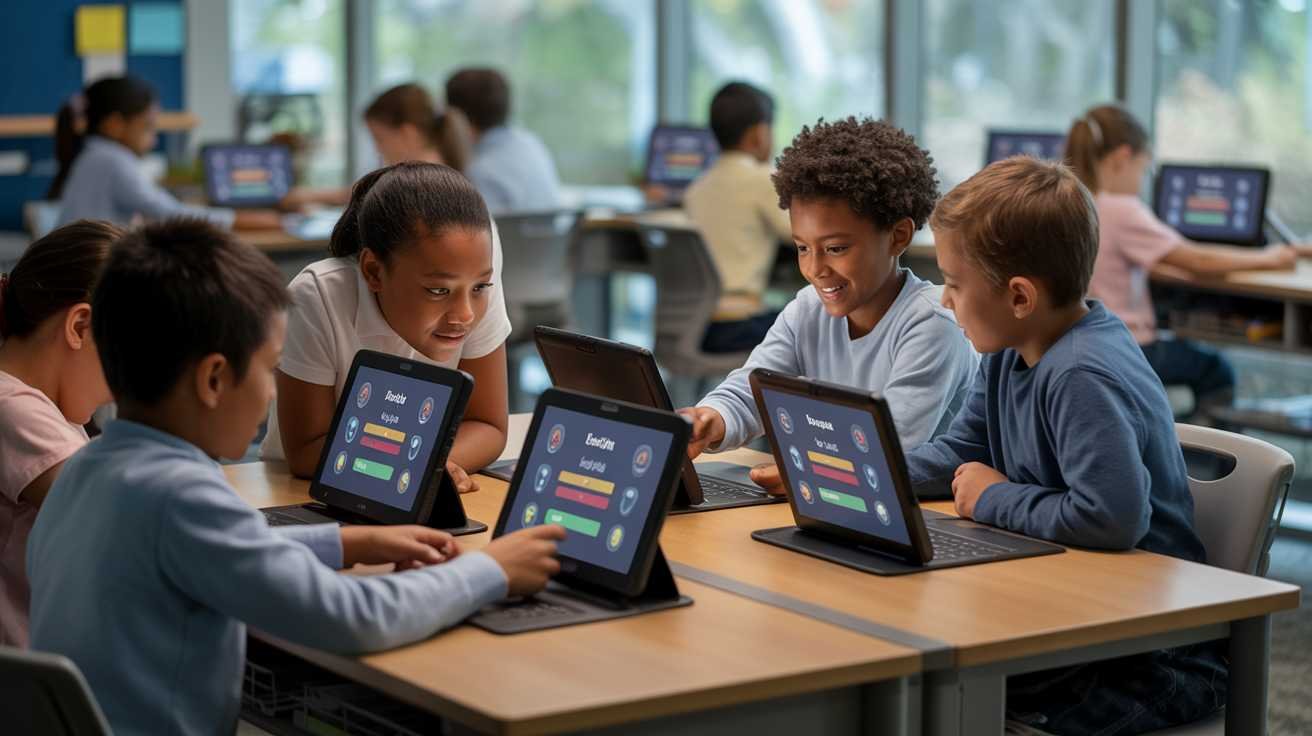
Picture this: a classroom filled with the buzz of excitement, students eagerly collaborating, competing, and progressing through challenges just like in their favorite video games. It’s an environment that doesn’t just encourage participation – it demands it. Gamification transforms a typically mundane classroom into a vibrant, dynamic space where every lesson feels like an opportunity to level up. From earning points and badges to unlocking new achievements, students become active players in their own learning journey. The sense of competition and accomplishment keeps students coming back for more, pushing them to do better, work harder, and engage more deeply with the content. Unlike traditional methods where students may easily check out, gamification taps into their intrinsic motivations, pulling them into the learning process in ways that are fun, interactive, and rewarding. It’s about creating a space where the energy is palpable, where the stakes feel high, and where every student is invested in reaching the next level of success. The urgency to participate is undeniable; students know that missing out means falling behind in a game that everyone is playing.
Fostering Collaboration: How Gamification Turns Students Into Teams
Collaboration is no longer just an optional skill; it’s a necessity in the modern world. And gamification makes it easier than ever to build a culture of collaboration in classrooms. By introducing group challenges, team-based quests, and collaborative projects, students not only learn content but also essential teamwork skills. As they team up to overcome challenges, they form connections with their peers, sharing ideas, solving problems together, and helping each other progress. The beauty of gamification lies in its ability to break down the walls of isolation. Students who might have otherwise sat quietly in the back of the class are suddenly active contributors, because the game mechanics reward teamwork and communication. Think of it like a sports team working together towards a common goal – only this time, the “game” is learning. The urgency to succeed as a group creates a stronger sense of responsibility, ensuring that no one is left behind. In this environment, every student’s contribution matters, and collaboration becomes as fun as it is necessary.
The Power of Instant Feedback: Why Gamification Holds the Key to Engagement
One of the most exciting aspects of gamification in classrooms is the ability to provide instant feedback. Gone are the days of waiting for weeks to find out how you performed on an assignment. Instead, students receive immediate feedback on their progress, whether through points, badges, or rankings. This instant recognition triggers dopamine responses in the brain, reinforcing the behavior and encouraging continued engagement. The results speak for themselves: students who are given real-time feedback are more likely to stay motivated, improve their performance, and become more involved in the learning process. Imagine a student finishing a task, only to see their progress immediately reflected on a leaderboard. This not only boosts their self-esteem but pushes them to do even better the next time. The urgency to outperform oneself and others fosters a sense of healthy competition, driving engagement beyond education into the realm of self-improvement. Every task completed becomes a mini victory, pushing students to achieve more.
Challenges and Rewards: Creating a Dynamic and Competitive Learning Environment
The beauty of gamification lies in its ability to turn challenges into rewards. By introducing game-like elements such as points, levels, and achievements, gamification creates a high-stakes environment where students constantly strive for success. Challenges in the form of quizzes, puzzles, and group tasks become exhilarating obstacles that students are eager to conquer. The rewards are more than just external recognition; they offer intrinsic motivation that propels students to keep pushing forward. As students gain experience points, unlock new levels, or earn special achievements, they are continuously motivated to dive deeper into the subject matter. The *fear of missing out* on the next big reward pushes them to stay engaged, ensuring that they don’t lose momentum. This game-like structure transforms education from a static, one-dimensional process into an ever-evolving, high-energy adventure. With each challenge, students are encouraged to collaborate, strategize, and problem-solve, thus fostering an environment of excitement and engagement beyond education.
Real-Life Examples: Schools Leading the Charge with Gamification
Across the world, forward-thinking educators are already harnessing the power of gamification to revolutionize their classrooms. Take the example of a school in California, where students earn points for completing tasks, attending class, and contributing to group discussions. These points unlock rewards like extra break time, homework passes, or even a special “golden ticket” to choose their favorite class activity. The result? A marked increase in student participation, enthusiasm, and collaboration. Students who once dreaded coming to class now look forward to each lesson, eager to earn their next reward and see where they stand on the class leaderboard. Other schools have embraced platform-based gamification tools, using apps like Classcraft, which allows teachers to create personalized, game-based learning experiences. The success stories are everywhere, and they all share one common theme: gamification fosters collaboration, engagement, and motivation in ways traditional methods simply cannot. You can no longer afford to ignore this shift if you want to stay competitive in the world of modern education. The urgency is clear – don’t be left behind in an old-fashioned system that doesn’t keep up with the demands of today’s students.
Creating Urgency: Why You Must Act Fast to Implement Gamification
As the world of education evolves, the pressure on educators to stay ahead of the curve has never been greater. If you’re still hesitant about adopting gamification in your classroom, consider this: the gap between schools that implement innovative, gamified learning environments and those that don’t is widening by the day. Those who embrace gamification now are reaping the benefits of a more engaged, motivated, and collaborative student body. Schools that resist this change risk losing their students’ interest and enthusiasm, which can have long-term consequences for their academic success. The question is not whether you should implement gamification, but rather how quickly you can start making this transformative shift. The more you delay, the more you risk falling behind. Gamification is no longer just an option – it’s a necessity. The time to act is now. Your students are waiting for a more engaging, motivating classroom experience, and they’re looking for it beyond education. Don’t let them down.
Future Trends: Gamification’s Role in Shaping Tomorrow’s Classrooms
Looking ahead, it’s clear that gamification will only become more ingrained in educational systems worldwide. As technology continues to advance, the possibilities for gamified learning will expand. Virtual reality, augmented reality, and artificial intelligence are all poised to play a role in creating even more immersive, interactive learning environments. Imagine a classroom where students are not just competing for points but are able to enter virtual worlds to solve historical mysteries, practice math in a futuristic city, or collaborate with peers from across the globe in real-time. This is the future of education – one where gamification goes *beyond education* and creates entirely new, cutting-edge learning experiences. The tools and technologies that will define tomorrow’s classrooms are already in development, and those who get in on the ground floor will have a head start in shaping the future of learning. The urgency to get involved in this evolution is palpable. If you’re not already thinking about how to implement gamification in your classroom, you’re already behind the curve.


