
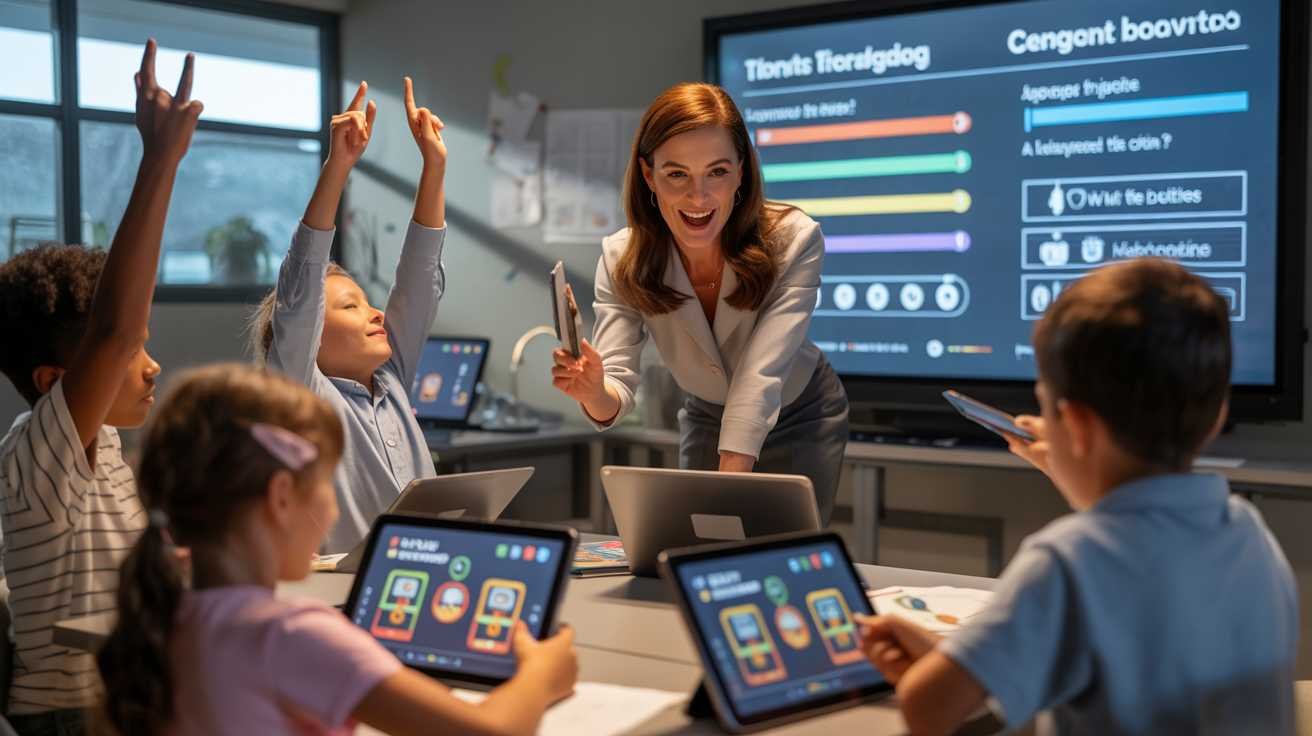
The Alarming Decline of Motivation in Modern Classrooms
Every day, millions of students walk into classrooms where the light of curiosity has dimmed, where learning feels like a chore rather than an adventure. Teachers face glazed eyes, restless energy, and a haunting silence that whispers of a stolen education – an experience where the joy of discovery has been taken, replaced by monotony and pressure. This crisis in student motivation isn’t a distant echo; it’s happening right now in schools across the globe. Students are disengaged, disheartened, and detached, scrolling through screens for dopamine hits while textbooks gather dust. The urgency is real: educators must act before another generation loses the passion to learn. The good news? Gamification can reignite that spark, turning passive classrooms into vibrant learning ecosystems filled with purpose, energy, and excitement.
Imagine walking into a classroom where students are leaning forward, eyes gleaming, hearts racing – not because of a video game, but because of a math challenge wrapped in adventure, a history quiz turned into a treasure hunt. The air hums with anticipation, not dread. Teachers transform into guides, mentors, and storytellers who wield digital badges and leaderboards to inspire friendly competition and collaboration. The danger of a stolen education is not just academic failure – it’s emotional disengagement, a loss of hope and curiosity. But gamification, when done right, can restore that balance. It can transform classrooms into communities of achievement where every victory, no matter how small, is celebrated. The time to act is now. Waiting even one more semester risks losing another classroom to boredom and disinterest.
Understanding Gamification: More Than Just Points and Badges
Gamification isn’t just about sprinkling game mechanics like badges or points over dull lessons – it’s about reimagining the very architecture of motivation. In its truest form, gamification taps into the human desire for achievement, mastery, and recognition. It turns learning into a thrilling pursuit where every challenge conquered feels like leveling up in life. But too many educators still underestimate its potential, dismissing it as a gimmick. That misconception fuels the epidemic of stolen education, where potential lies dormant because learning feels transactional rather than transformational. Gamification restores purpose. It rewards persistence, celebrates curiosity, and keeps failure from being final – it turns it into feedback.
Consider Duolingo, an app that turned language learning into a daily ritual for millions. Its streaks, progress bars, and visual rewards create powerful psychological momentum. The same principles can transform classrooms – imagine a science teacher using XP points for experiment accuracy, or a literature teacher creating “quest lines” through classic novels. These are not childish gimmicks; they are scientifically proven methods of engagement backed by behavioral psychology and cognitive learning theories. According to research from Stanford University, students exposed to gamified learning environments demonstrate a 34% increase in knowledge retention and a 27% increase in self-driven learning. When we integrate gamification with authenticity and purpose, we are not adding noise – we are rescuing learners from the numbing silence of disengagement that defines stolen education.
The Psychology Behind Engagement: Why Gamification Works
Humans are wired for play. From childhood, we explore, experiment, and learn through interaction and imagination. Gamification taps into these primal motivators by providing feedback loops that mirror life’s natural learning process – try, fail, adapt, succeed. The dopamine rush of achievement, the sense of belonging in a team, the thrill of climbing a leaderboard – these aren’t frivolous impulses, they’re neurochemical reinforcements of motivation. The difference between a thriving learner and a disengaged one often lies in how their brain perceives progress. Without feedback, students feel invisible, leading to apathy. With gamification, every effort counts, every improvement is visible, and every learner feels seen. It’s an antidote to the creeping disengagement that steals curiosity from the young – a literal form of stolen education.
When students earn badges or unlock levels, they’re not just collecting digital tokens – they’re collecting evidence of their growth. These systems tap into intrinsic motivation, aligning learning goals with personal satisfaction. According to studies by the American Psychological Association, gamified classrooms see up to 60% higher engagement and dramatically improved attendance. Teachers who embrace these techniques often report a surge in classroom energy – students start showing up early, asking for extra challenges, even collaborating voluntarily. The transformation is palpable. Gamification gives learning texture, rhythm, and emotional depth. In a world drowning in distraction, it anchors students in meaning and measurable progress.
Practical Strategies for Teachers to Implement Gamification Today
Gamification isn’t a distant dream reserved for tech-savvy educators; it’s an immediate, tangible strategy that any teacher can begin using today. Start small. Transform a simple quiz into a leaderboard challenge. Introduce badges for milestones such as consistent homework completion or collaborative participation. Use digital tools like Classcraft or Kahoot to create immersive experiences that turn review sessions into heart-pounding adventures. When implemented with empathy and creativity, these methods ignite classrooms with vitality. Teachers can even integrate narrative structures into lessons – imagine history classes unfolding as epic quests where students “unlock” eras through achievements. This storytelling approach blends content with context, ensuring that students don’t just memorize facts – they live them.
However, true gamification goes deeper than competition – it emphasizes mastery, cooperation, and purpose. It ensures that students of all abilities find their rhythm in the game of learning. Accessibility is crucial; every student should feel like a hero in their journey. When education lacks this inclusivity, it risks becoming a form of stolen education, where only the confident thrive. Teachers can counter this by using adaptive systems that provide personalized feedback and tiered challenges. The most successful gamified classrooms use data ethically and transparently, maintaining trust and agency. Teachers become designers of experience, crafting environments that merge accountability with excitement. Each lesson becomes an unfolding adventure, and every success becomes a shared celebration.
Real Success Stories: Schools That Transformed Learning Through Gamification
Across the world, schools are witnessing miraculous turnarounds through gamification. In Finland, a school implemented a quest-based mathematics program that transformed chronic underperformers into enthusiastic problem-solvers. In the United States, one middle school integrated a gamified history curriculum that increased retention rates by 45%. In Japan, educators have combined augmented reality with gamification to let students “step into” historical events, turning memorization into immersive exploration. These aren’t isolated anecdotes – they are a global movement reclaiming education from disengagement, rescuing it from the jaws of stolen education.
Teachers who once struggled to maintain attention now find their classrooms buzzing with energy. One teacher described her transformation: “Before gamification, I felt like I was fighting to hold their attention. Now, they fight to earn points, to beat their personal bests, to learn more.” Another reported that shy students who rarely spoke in class became active participants, eager to earn collaboration badges. Gamification democratizes achievement – it levels the playing field, making progress visible to everyone. It builds empathy through team challenges and accountability through progression systems. The emotional climate of such classrooms changes dramatically – students support each other, celebrate each other’s wins, and approach failure as feedback, not as finality. That’s what reclaiming education looks like.
Addressing Concerns: Is Gamification Just a Trend?
Some skeptics worry that gamification is just another educational fad, a flashy distraction that will fade like many before it. But this concern misunderstands the depth of gamification’s psychological roots and pedagogical impact. It’s not a passing craze – it’s a reawakening of how humans naturally learn. The difference lies in intention and execution. When poorly implemented, gamification can indeed become superficial, feeding competition without fostering understanding. But when grounded in genuine educational purpose, it is transformative. It provides structure to curiosity, motivation to perseverance, and community to learning. It prevents stolen education by ensuring every learner feels purposefully engaged, never forgotten.
Gamification’s durability lies in its adaptability. Whether through analog methods like classroom role-playing or digital platforms like Quizizz, the principles remain consistent: feedback, recognition, progression, and play. The data supports it – research from the University of Oxford found that classrooms with gamified learning approaches reported a 53% increase in student motivation and a 36% improvement in academic performance across multiple subjects. That is not a passing trend; that’s an evolution. Teachers who resist this change risk being left behind as education continues its digital renaissance. The urgency is clear: adopting gamification today means keeping pace with how the next generation learns best. The window of opportunity is closing fast.
Tools and Technologies Empowering Teachers Through Gamification
Technology has made gamification more accessible than ever. Platforms like Classcraft, Edmodo, and Blooket empower teachers to design experiences that engage and inspire. These tools come with data analytics, progress tracking, and real-time feedback, helping educators make informed decisions. But the real magic lies in how these tools merge imagination with instruction. Classcraft, for instance, transforms the classroom into a multiplayer adventure where teamwork, empathy, and problem-solving become the currency of success. The interface glows with energy, avatars grow with progress, and students see their academic growth visualized in real time. This transparency eliminates the invisibility that so often characterizes stolen education – students know where they stand and how to improve.
Safety, licensing, and data security remain top priorities. Teachers must choose platforms that comply with educational privacy laws like FERPA and GDPR, ensuring that student data remains secure. Verified reviews, responsive customer support, and transparent payout systems (for paid tools) further establish trust. When technology is integrated responsibly, it becomes a bridge between traditional education and the gamified future. The experience of a teacher using these tools is often described as liberating – lesson planning becomes creative again, assessments become interactive, and classrooms transform into immersive environments. This technological empowerment ensures that gamification remains sustainable, ethical, and inclusive – a long-term solution to reclaiming motivation from a stolen education.
Building a Sustainable Gamified Ecosystem
Implementing gamification once isn’t enough – it requires long-term commitment, reflection, and refinement. A sustainable gamified ecosystem blends digital and physical elements, connecting lessons with real-world experiences. Teachers can establish classroom economies, where points earned translate into privileges, or design semester-long “campaigns” that track academic progress like a storyline. The goal is to weave gamification into the fabric of learning, not to treat it as an occasional tool. Sustainability also comes from student involvement – allowing learners to help design rules, rewards, and missions creates ownership and deeper engagement. When students co-create their learning experiences, education is no longer something done to them; it becomes something they live and breathe.
This ecosystemic approach combats burnout for both teachers and students. It keeps learning dynamic, adaptive, and exciting. It ensures continuity and growth, turning curiosity into a lifelong habit. When schools commit to such an environment, the transformation extends beyond test scores – it cultivates emotional intelligence, collaboration, and resilience. It redefines education as an active, empowering journey rather than a passive obligation. Every school that embraces this model takes a stand against the creeping numbness of disengagement, declaring boldly: we will not allow a stolen education to define our future.
Act Now: Reclaiming the Joy of Learning Before It’s Too Late
Time is slipping away, and every day that teachers delay adopting gamification, another classroom loses its spark. The danger of stolen education is not a distant threat – it’s unfolding now, one disengaged student at a time. The urgency to act cannot be overstated. Educators, administrators, and policymakers must move decisively, investing in tools, training, and strategies that bring play back into learning. This is not about making school easier – it’s about making it meaningful. The data is clear, the results are undeniable, and the stories of transformation are everywhere. The next step belongs to you.
If you are an educator ready to reclaim your classroom’s energy, start experimenting with gamification today. Partner with platforms that provide transparent licensing, verified outcomes, and responsive support. Bring your lessons to life, reignite curiosity, and rebuild the trust that traditional systems have eroded. The joy of learning is not lost – it’s waiting to be rediscovered through innovation, courage, and creativity. Do not let another semester pass while your students drift away. Act now, transform your teaching, and restore what has been taken. The antidote to a stolen education is in your hands – embrace gamification, and let learning come alive again.
If you want to engage students in complex subjects, consider incorporating interactive elements, such as games, into your teaching strategy; this approach can transform lessons and make learning enjoyable, as detailed in our article on Meta Title.
If you want to discover innovative ways to enhance student participation, explore how gamification can transform your classroom dynamics by clicking on this Meta Title.
If you want to enhance student engagement in the classroom, exploring Claire Saffitz Education can provide valuable insights into how gamification techniques foster active participation and boost motivation.


