
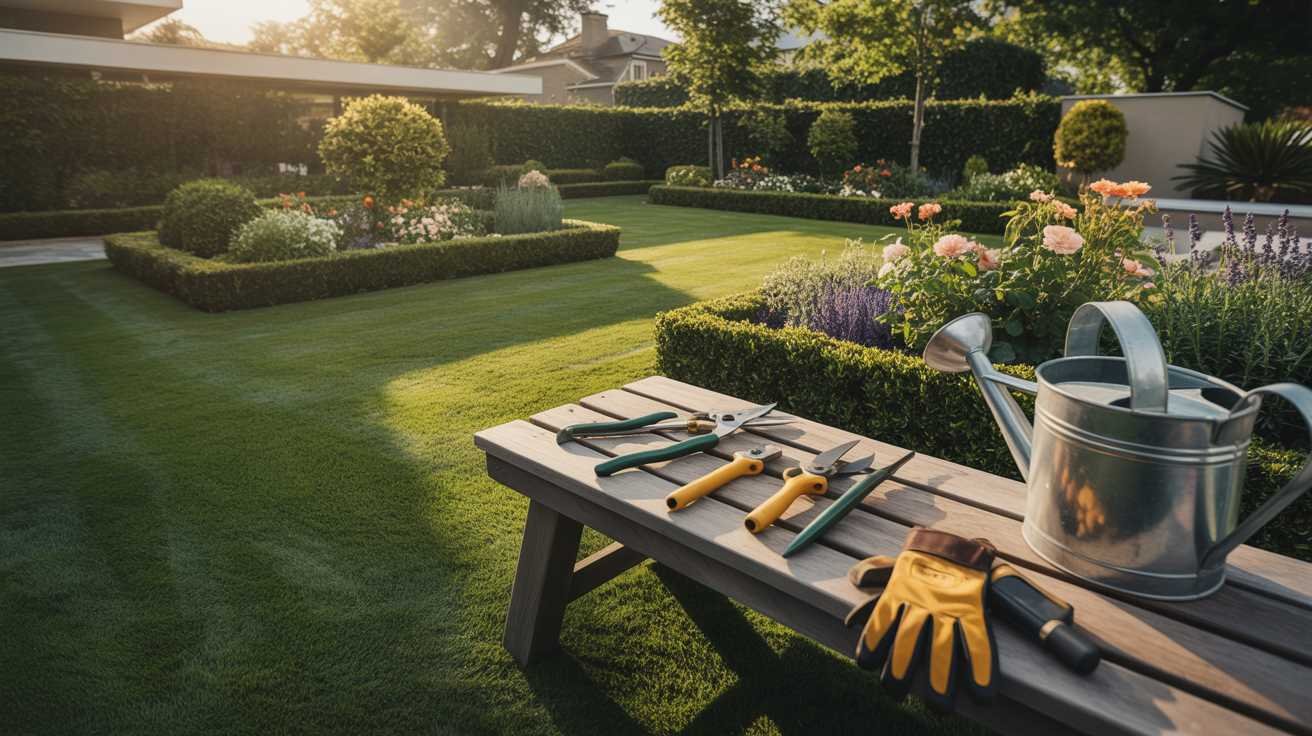
Imagine stepping into your backyard and being enveloped by the vibrant hues of blooming flowers, the fresh scent of dew-kissed grass, and the soothing sounds of nature. A well-maintained garden and lawn not only enhance the aesthetic appeal of your home but also provide a sanctuary for relaxation and recreation. However, achieving and maintaining such a space requires dedication, knowledge, and the right techniques. In this comprehensive guide, we’ll explore essential strategies to keep your garden and lawn in pristine condition year-round.
Understanding Your Soil: The Foundation of a Thriving Garden
Before planting anything, it’s crucial to understand the composition and health of your soil. Soil serves as the foundation for all plant life, and its quality directly impacts the growth and vitality of your garden. Start by testing your soil’s pH levels and nutrient content. This can be done using a simple soil test kit available at most garden centers. The results will guide you in selecting the appropriate fertilizers and amendments to enrich your soil.
Incorporating organic matter, such as compost or well-rotted manure, can significantly improve soil structure, enhance nutrient availability, and promote beneficial microbial activity. Regularly aerating your soil by gently loosening compacted areas allows roots to penetrate deeper, facilitating better water and nutrient absorption. Remember, healthy soil is the cornerstone of a flourishing garden.
Choosing the Right Plants for Your Climate and Soil
Selecting plants that are well-suited to your local climate and soil conditions is paramount for a thriving garden. Native plants are often the best choice, as they are adapted to the local environment and require less maintenance. They are more resistant to pests and diseases and typically need less water and fertilizer.
Research the specific needs of each plant species, including sunlight requirements, water needs, and growth habits. Group plants with similar requirements together to create harmonious plantings and reduce maintenance efforts. Additionally, consider the seasonal interest of plants to ensure your garden remains visually appealing throughout the year.
Watering Wisely: Balancing Moisture for Optimal Growth
Water is essential for plant health, but overwatering or underwatering can lead to problems. Establishing a consistent watering schedule tailored to your garden’s specific needs is crucial. Early morning is the best time to water, as it allows plants to absorb moisture before the heat of the day and reduces the risk of fungal diseases.
Use a soaker hose or drip irrigation system to deliver water directly to the roots, minimizing evaporation and runoff. Mulching around plants helps retain soil moisture, suppress weeds, and regulate soil temperature. Regularly monitor your plants for signs of water stress, such as wilting or yellowing leaves, and adjust your watering practices accordingly.
Maintaining a Healthy Lawn: Tips for a Lush Green Carpet
A lush, green lawn enhances the beauty of your outdoor space and provides a comfortable area for activities. To achieve and maintain a healthy lawn, start by choosing the right grass variety for your region. Cool-season grasses thrive in cooler climates, while warm-season grasses are better suited for warmer regions.
Regular mowing is essential to keep your lawn neat and encourage healthy growth. Set your mower blades to a higher setting to avoid cutting the grass too short, which can stress the plants and promote weed growth. It’s also important to keep your mower blades sharp to ensure clean cuts.
Fertilizing your lawn provides essential nutrients for growth. Apply a balanced fertilizer during the growing season, following the manufacturer’s instructions to avoid over-fertilization, which can harm the grass and the environment. Aerating your lawn annually helps relieve soil compaction, allowing air, water, and nutrients to reach the roots more effectively.
Controlling Weeds: Preventing and Managing Invaders
Weeds compete with your plants for water, nutrients, and sunlight, making effective weed control a priority. Preventing weed growth begins with maintaining healthy soil and dense plantings, which reduce the space available for weeds to establish. Mulching around plants acts as a barrier, suppressing weed germination and growth.
For existing weeds, manual removal is often the most effective method. Pull weeds by hand, ensuring you remove the entire root system to prevent regrowth. For larger infestations, consider using organic herbicides or natural remedies, such as vinegar or boiling water, to target weeds without harming surrounding plants.
Pruning and Deadheading: Encouraging Continuous Blooming
Regular pruning and deadheading are essential practices to encourage healthy growth and continuous blooming in your garden. Pruning involves removing dead or diseased wood, shaping plants, and promoting airflow, which can reduce the risk of pests and diseases. Always use clean, sharp tools to make precise cuts and minimize damage to plants.
Deadheading, or removing spent flowers, prevents plants from expending energy on seed production and encourages the development of new blooms. Some plants, like roses and dahlias, benefit from regular deadheading, leading to a more prolific flowering season. Be sure to research the specific needs of each plant species to determine the best pruning and deadheading practices.
Fertilizing: Providing Essential Nutrients for Growth
Fertilization replenishes essential nutrients in the soil that plants utilize for growth and development. The three primary nutrients required by plants are nitrogen (N), phosphorus (P), and potassium (K), often referred to as NPK. Choose a fertilizer with an NPK ratio appropriate for your plants’ needs and your soil’s nutrient content.
Organic fertilizers, such as compost, manure, or fish emulsion, release nutrients slowly and improve soil structure over time. Synthetic fertilizers provide a quick nutrient boost but can lead to nutrient imbalances and environmental concerns if overused. Apply fertilizers according to the manufacturer’s instructions and consider conducting soil tests periodically to monitor nutrient levels.
Pest and Disease Management: Protecting Your Garden
Vigilant monitoring and early intervention are key to managing pests and diseases in your garden. Regularly inspect plants for signs of trouble, such as discolored leaves, holes, or unusual growth patterns. Identifying problems early allows for more effective treatment and can prevent widespread damage.
Encourage beneficial insects, like ladybugs and predatory beetles, which naturally control pest populations. Companion planting can also deter pests; for example, planting marigolds alongside vegetables can repel certain insects. When necessary, use organic pesticides or natural remedies to address pest issues, always following label instructions to minimize harm to beneficial organisms and the environment.
Seasonal Maintenance: Preparing for Year-Round Beauty
Maintaining a beautiful garden and lawn requires attention throughout the year. Seasonal maintenance tasks ensure your outdoor space remains healthy and vibrant. In spring, focus on cleaning up debris, pruning dead growth, and applying mulch to retain moisture. Summer tasks include regular watering, weeding, and monitoring for pests.
In fall, prepare your garden for winter by removing spent plants, cutting back perennials, and adding compost to enrich the soil. Winter maintenance involves protecting plants from extreme cold and wind, which may include covering tender plants with burlap or applying mulch to insulate roots. Planning ahead for each season allows you to address specific needs and challenges, ensuring your garden thrives year-round.
By implementing these strategies and dedicating time and care to your garden and lawn, you can create a beautiful outdoor space that enhances your home’s appeal and provides a sanctuary for relaxation and enjoyment. Remember, the effort you invest today will yield rewards in the form of a lush, vibrant landscape that you can cherish for years to come.
If you want to seamlessly blend functionality with aesthetics in your workspace, consider how pursuing a phd educational technology can inspire innovative design choices that stay within your budget.


