
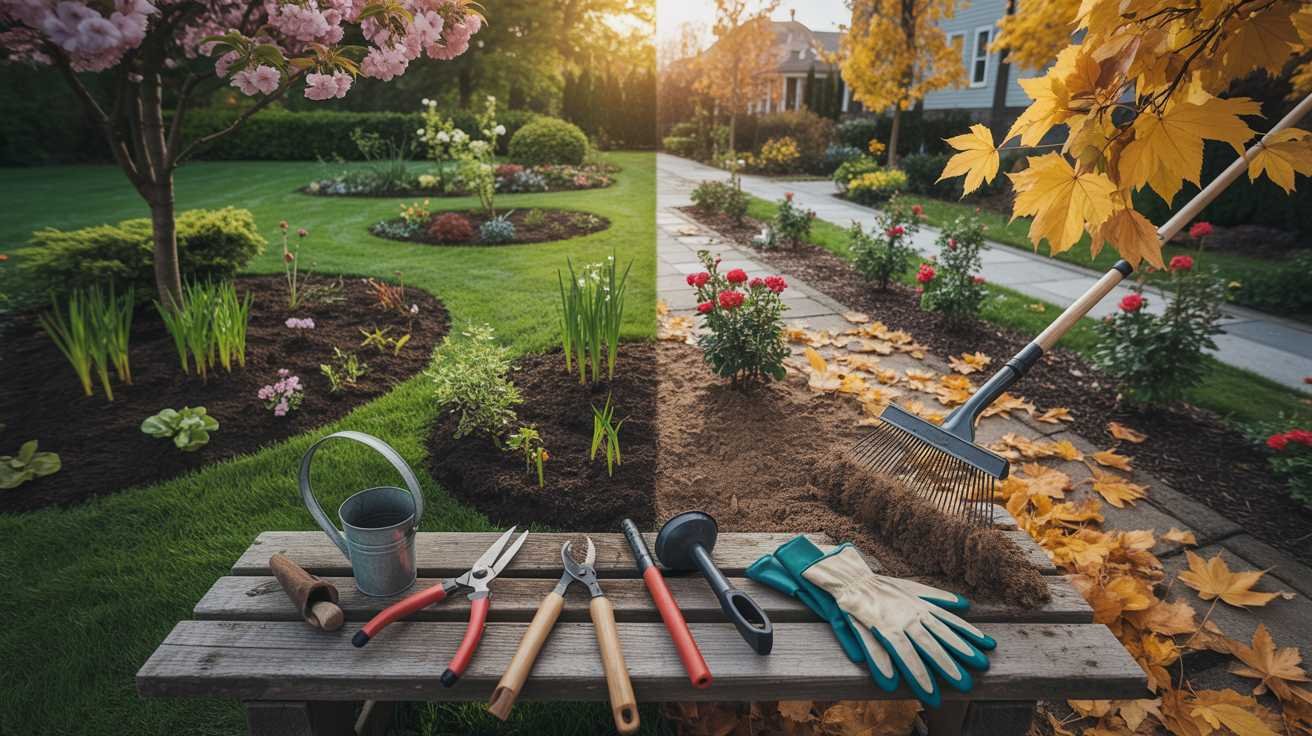
Understanding the Importance of Seasonal Garden Care
There is an undeniable thrill in walking through a garden that bursts with life, colors, and fragrances, and the key to maintaining that vibrancy lies in understanding the seasons. Gardens are living ecosystems, each plant and flower responding differently to temperature, sunlight, and rainfall. As social educators often emphasize, connecting people with the natural rhythms of their environment enhances learning and well-being. Imagine the intoxicating aroma of freshly cut grass in spring, the riot of colors as flowers bloom, or the soothing rustle of autumn leaves underfoot. Each season presents both opportunities and challenges, and neglecting them can cause irreversible damage to your outdoor spaces. In spring, for instance, timely pruning and fertilization can mean the difference between a lush, thriving garden and one that struggles to bloom. As you become aware of the cycles, you start to notice subtle shifts in plant health, soil moisture, and pest activity. Observing these changes with diligence gives you the upper hand, creating a garden that is not just alive, but radiantly thriving. FOMO creeps in when neighbors and friends showcase their impeccable gardens while yours lags behind; mastering seasonal care ensures you are never left behind in the race for outdoor beauty.
Preparing Your Soil for Optimal Growth
The foundation of every thriving garden begins below the surface – rich, well-prepared soil. Soil is more than dirt; it is a living, breathing medium that sustains plant life, teeming with microorganisms that enhance growth. Social educators often stress the hands-on experience of soil management, teaching learners how compost, mulch, and aeration can transform barren patches into fertile ground. Picture the sensory satisfaction of sifting your fingers through dark, nutrient-dense earth, feeling the moisture, and sensing the life teeming within. Neglecting this step, however, can doom your plants before they even have a chance to flourish. To prepare your soil, begin with testing pH levels and nutrient content, then amend deficiencies with organic matter, fertilizers, or natural amendments like bone meal or worm castings. Consistently turning the soil improves aeration and water penetration, giving roots the freedom to grow deeply and robustly. Gardens with well-prepared soil are noticeably more resilient, able to withstand harsh summer heat, sudden cold snaps, or unexpected droughts. For those who procrastinate, watching a neighbor’s garden thrive while your own struggles can induce a powerful sense of urgency – a garden’s foundation cannot be postponed without consequence.
Smart Watering Techniques for Every Season
Watering might seem simple, but it is a subtle art that can make or break a garden’s health. Social educators advocate for mindful engagement with nature, teaching that understanding a plant’s specific hydration needs is crucial. Imagine the refreshing, earthy scent that rises when water meets dry soil on a hot summer morning, or the gentle patter of a well-timed irrigation system during spring growth spurts. Both overwatering and underwatering can stunt growth, attract pests, or foster disease. To maintain a flourishing garden year-round, install a responsive watering system that adapts to rainfall and seasonal demands. Drip irrigation for vegetables and deeply rooted shrubs, coupled with rainwater collection systems, maximizes efficiency while promoting sustainability. Mulching around plants not only retains moisture but also provides a sensory tapestry of colors and textures that enlivens garden paths. Seasonal adjustments are essential; plants require less water during cool, dormant months and more during peak growth or scorching summers. Neglecting these subtleties risks lifeless beds and drooping leaves, evoking the unmistakable FOMO of witnessing neighbors’ gardens thrive while yours languishes. Consistent attention to watering creates a lush oasis that others admire and envy.
Mastering Pruning and Deadheading Techniques
Pruning is an act of both discipline and artistry, essential for maintaining the health and beauty of any garden. Social educators often encourage learners to see pruning as a living dialogue with plants, where each cut stimulates growth, removes disease, and enhances visual appeal. Visualize wielding sharp, clean shears to remove overgrown branches, carefully shaping shrubs into elegant forms, and revealing hidden blooms that have been stifled by crowded growth. Deadheading spent flowers, in particular, directs energy back into the plant, encouraging a continuous cycle of vibrant blooms. Failing to prune can lead to chaotic, unsightly growth that diminishes both the garden’s aesthetic appeal and the health of its plants. Different plants demand different techniques; roses, for instance, require a careful balance of trimming to maximize blooms without weakening the plant. The timing of pruning is equally critical, with seasonal nuances dictating the optimal window for each species. When done correctly, pruning transforms a garden from a chaotic jungle into a harmonious landscape that elicits awe from every visitor. Missing these critical pruning windows risks visibly stunted plants, creating an acute sense of urgency to act before it’s too late.
Pest and Disease Prevention Strategies
Pests and diseases are the hidden saboteurs of outdoor spaces, capable of undoing months of diligent work in mere days. Social educators emphasize the importance of proactive observation, teaching learners to detect early signs of trouble and take measured action. Imagine the dismay of seeing once-healthy leaves speckled with aphids, fungal infections creeping along stems, or caterpillars stripping a vegetable patch overnight. Preventative strategies include introducing natural predators, such as ladybugs or nematodes, employing organic sprays, and maintaining proper plant spacing to enhance airflow and reduce fungal risk. Regular inspection of soil and foliage ensures that minor issues do not escalate into full-blown infestations. Gardens neglected in this aspect can become a breeding ground for diseases, frustrating the gardener and intensifying the fear of falling behind neighbors’ flourishing spaces. Implementing vigilant pest control not only protects your investment but also creates a dynamic learning environment, as social educators demonstrate through hands-on observation and problem-solving exercises. When practiced consistently, these strategies foster a resilient garden that stands strong through seasonal fluctuations and biological challenges.
Incorporating Seasonal Planting and Crop Rotation
The secret to vibrant, long-lasting outdoor spaces lies in strategically selecting plants that thrive in each season and rotating crops to maintain soil health. Social educators often advocate this approach, showing learners how seasonal awareness and thoughtful planning can dramatically enhance yield and visual appeal. Imagine the excitement of planting early spring bulbs that promise a first burst of color, followed by summer vegetables that bask in golden sunlight, and finishing with autumn foliage that paints the garden in fiery reds and oranges. Crop rotation prevents soil depletion, reduces pest buildup, and maintains a dynamic ecosystem that supports plant diversity. Planning for seasonal succession requires foresight, understanding planting cycles, and staying vigilant about the changing weather. Neglecting this can lead to barren patches, nutrient-poor soil, and diminished returns, creating a tangible sense of FOMO when observing other gardens bursting with life. By integrating seasonal planting and rotation, gardeners not only optimize productivity but also create a visually and sensorially rich tapestry that changes continuously, captivating visitors and neighbors alike.
Outdoor Furniture, Pathways, and Structural Care
Gardens are not solely about flora; the spaces between plants, including pathways, furniture, and structural elements, play a crucial role in the overall experience. Social educators highlight the importance of integrating functional learning spaces, demonstrating how attention to these details enhances both usability and aesthetic appeal. Picture walking along a stone pathway lined with fragrant herbs, pausing on a sun-dappled bench to admire the surrounding blooms, or enjoying a gazebo that has been meticulously maintained against seasonal wear. Neglecting these elements can lead to weathered furniture, cracked paths, and unstable structures, detracting from the garden’s beauty and utility. Regular inspections, cleaning, protective coatings, and seasonal adjustments preserve these features while providing sensory enjoyment and practical comfort. Observing neighbors entertain in well-maintained outdoor spaces can create a sense of urgency and FOMO, motivating gardeners to maintain every component of their outdoor environment. A holistic approach ensures that gardens are not only vibrant and alive but also inviting and functional, offering immersive experiences for family, friends, and visitors.
Engaging Community and Social Learning Opportunities
Gardens are social spaces as much as they are ecological ones. Social educators champion the value of community engagement, where learning, sharing, and collaboration enhance both gardening skills and social connections. Imagine hosting workshops, neighborhood plant swaps, or educational tours where both children and adults explore soil science, plant biology, and sustainable practices. These opportunities encourage active learning and foster pride in communal achievements. Furthermore, involving others in your gardening journey creates a dynamic network of support, advice, and shared resources that can mitigate errors and enhance results. Neglecting this social dimension can leave gardens as isolated spaces, limiting the educational and emotional benefits they offer. By incorporating community engagement, you also gain exposure to diverse techniques, tips, and seasonal insights that keep your garden ahead of the curve, preventing the common FOMO experienced when seeing others’ thriving spaces. Ultimately, gardens transform into living classrooms and vibrant hubs of interaction that enrich lives and reinforce your commitment to excellence in outdoor maintenance.
Leveraging Tools, Technology, and Expert Guidance
Modern gardening offers a plethora of tools and technology to simplify maintenance, monitor plant health, and optimize growth. Social educators stress the importance of equipping learners with practical skills alongside technological awareness to maximize outcomes. Smart irrigation systems, soil sensors, weather alerts, and mobile apps allow real-time monitoring and predictive care, ensuring plants receive the precise attention they require. Imagine receiving a notification that soil moisture is low just before a heatwave, or using a soil analyzer to determine nutrient deficits and applying a tailored solution. Accessing expert guidance through certified horticulturists, trusted online platforms, or community groups enhances decision-making and ensures the application of best practices. Failing to leverage these resources risks inefficiency, crop failure, and a lingering sense of being left behind in a fast-evolving gardening landscape. Proactively adopting technology and expert knowledge cultivates not only a garden that flourishes throughout the year but also a gardener who is informed, confident, and ahead of trends.
Creating a Year-Round Maintenance Schedule
The pinnacle of successful gardening is establishing a disciplined, year-round maintenance schedule that anticipates seasonal needs, tracks growth, and preempts issues. Social educators often recommend structuring routines around observations, seasonal checklists, and actionable tasks, blending science, intuition, and foresight. Picture your calendar segmented into clear tasks: soil preparation in early spring, pest monitoring in late spring, pruning in summer, and structural inspection in autumn. This proactive rhythm reduces emergencies, ensures sustained beauty, and maximizes yield, providing peace of mind and a profound sense of accomplishment. Neglecting to plan invites chaos: overgrown paths, unhealthy plants, and lost opportunities to enhance blooms create palpable FOMO when compared to meticulously curated gardens. Following a comprehensive schedule guarantees that your outdoor spaces remain dynamic, vibrant, and visually stunning through every season, while also integrating hands-on learning opportunities and community engagement that reflect expertise, accountability, and care. A well-maintained garden becomes a living testament to dedication and foresight, impressing visitors and rewarding the gardener continuously.
Ready to transform your outdoor spaces into thriving, year-round sanctuaries? Don’t wait for another season to pass – start implementing these techniques today and experience the sensory delight, social engagement, and pride that come with a perfectly maintained garden. Discover professional guidance and tools to elevate your gardening journey by visiting trusted garden experts and take control of your garden’s destiny before the next season slips away.


