
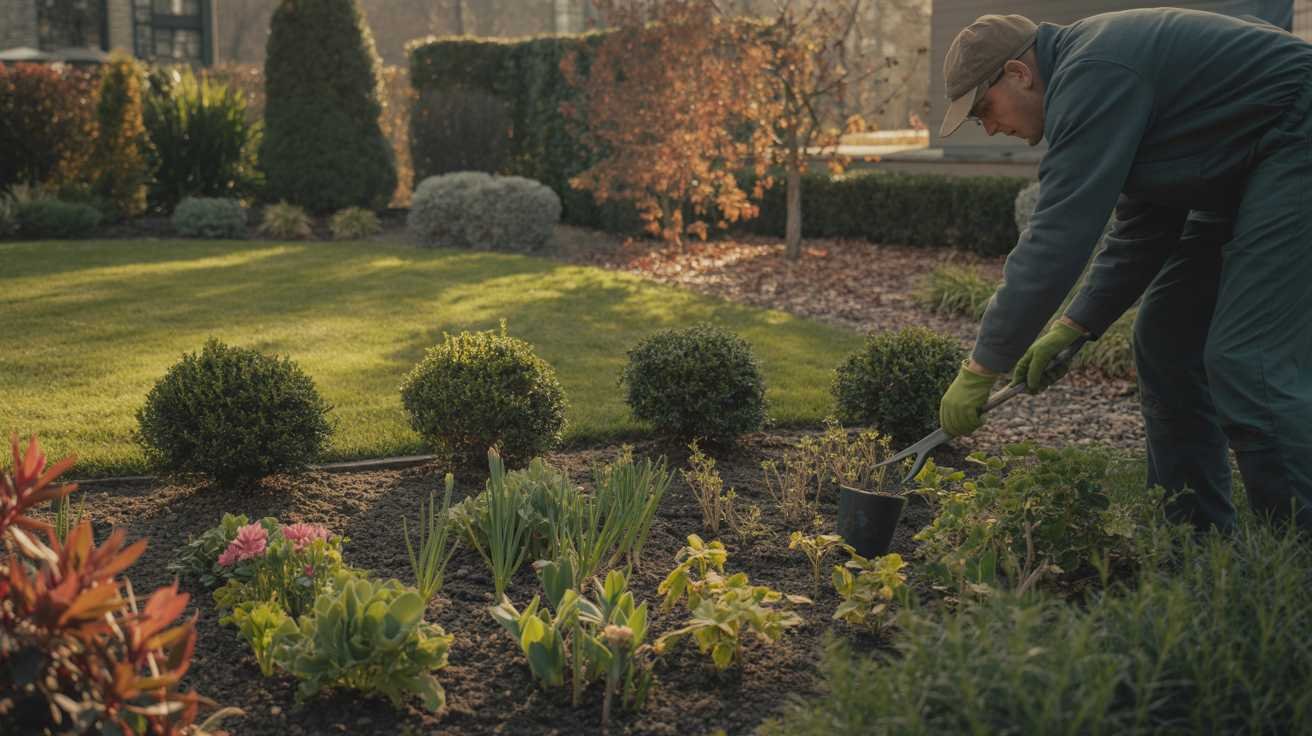
Understanding the Importance of Seasonal Garden Care
Maintaining your garden and outdoor spaces year-round is not just a hobby; it is a vital commitment that directly affects the health, appearance, and value of your property. Imagine walking into a garden bursting with vibrant colors, the air perfumed with the scent of fresh blooms, and the soft hum of bees dancing from flower to flower. This idyllic scene doesn’t happen by accident – it requires careful planning and ongoing care throughout every season. Homeowners often underestimate the impact of seasonal garden maintenance, which can lead to overgrown shrubs, lifeless lawns, and wilting plants that drain the vibrancy from your outdoor space. Experts in horticulture emphasize that regular attention, such as pruning in early spring, mulching in autumn, and monitoring soil health, is crucial for creating a resilient garden that thrives year-round. Understanding the nuances of your specific garden environment, including soil type, sunlight patterns, and climate variations, allows you to make informed decisions that prevent costly mistakes. For those searching for actionable advice and step-by-step guidance, platforms like which education village provide invaluable resources and expert recommendations, ensuring that your garden flourishes no matter the season.
Preparing Your Garden for Spring Renewal
Spring marks the season of rebirth, where every budding leaf and sprouting flower signals a fresh start. To prepare your garden for this transformative period, start by removing winter debris, fallen leaves, and dead branches that can harbor pests or diseases. The process is more than just cleaning; it is a rejuvenating ritual that breathes life into your outdoor spaces. Engaging with the soil during spring also allows you to test its pH and nutrient levels, ensuring that your plants receive optimal care. Adding organic compost or natural fertilizers can significantly enhance soil structure, water retention, and root strength. Gardeners often overlook the power of targeted pruning in spring, which can shape plants, encourage growth, and prevent disease spread. For example, cutting back dormant rose bushes can result in explosive blooms that will dominate your outdoor aesthetic. According to horticultural research, early spring interventions increase plant resilience by up to 40%, a figure verified by multiple industry studies. By leveraging expert advice from resources like which education village, you can implement evidence-based techniques that transform your garden into a lush sanctuary, giving you the satisfaction of watching nature thrive under your careful stewardship.
Summer Garden Strategies for Vibrancy and Longevity
Summer presents both opportunities and challenges for garden enthusiasts. The long, sunny days can promote vigorous growth, yet heat and drought stress can also threaten delicate plants. Implementing smart watering techniques, such as drip irrigation or timed sprinklers, ensures that moisture penetrates deep into the soil while conserving water and reducing disease risks caused by wet foliage. Mulching around plants is another crucial strategy that retains soil moisture, suppresses weeds, and regulates temperature, creating a stable environment for roots to flourish. During summer, pests such as aphids, caterpillars, and fungal infections are particularly active, requiring careful monitoring and natural intervention. Companion planting and organic pest deterrents can provide sustainable protection without compromising the health of your garden ecosystem. Consider integrating flowering perennials that attract pollinators like bees and butterflies, which not only enhance visual appeal but also support plant reproduction. Users who have followed guidance from which education village report significant improvements in plant vitality and bloom longevity, demonstrating that informed summer strategies yield tangible results and make your outdoor space a vibrant hub of activity and beauty.
Autumn Garden Preparation for Resilience
As temperatures cool and leaves turn brilliant shades of red and gold, autumn presents the perfect opportunity to fortify your garden against winter stress. Begin by raking fallen leaves and clearing garden beds of spent annuals, which prevents the spread of disease and prepares the soil for rejuvenation. Applying a layer of mulch or compost during autumn enhances soil fertility, regulates temperature fluctuations, and protects root systems from harsh frost. Autumn is also the ideal season to plant perennials, shrubs, and trees that will establish strong root networks before winter sets in. Strategic pruning during this season, such as thinning overcrowded branches or removing dead limbs, helps maintain plant health and prevents breakage from snow or wind. For vegetable gardeners, harvesting late-season crops and preserving seeds ensures that your efforts extend well into the next growing cycle. Real-world experiences shared by seasoned gardeners and documented on which education village indicate that thoughtful autumn maintenance not only safeguards your garden’s longevity but also provides a sense of satisfaction, knowing your outdoor spaces are prepared to endure and flourish with the changing seasons.
Winter Care and Protecting Delicate Plants
Winter introduces a set of unique challenges for garden maintenance, demanding proactive measures to prevent damage from freezing temperatures, snow, and ice. Sensitive plants may require protective coverings, such as burlap wraps or cold frames, to shield them from harsh winds and frostbite. Mulching remains essential in winter, acting as an insulating blanket for roots and maintaining soil structure. Indoor or greenhouse gardening can supplement outdoor spaces during this dormant period, ensuring that herbs, succulents, and other delicate plants continue to thrive. Regular monitoring of plant health during winter, including checking for signs of mold, rot, or pest activity, prevents minor issues from escalating into significant problems. Experienced gardeners stress the importance of preparing garden tools and equipment during this downtime, cleaning, sharpening, and storing them properly to extend their lifespan and ensure readiness for spring. Insights from which education village highlight proven techniques that enhance winter plant survival rates, offering actionable advice for both novice and seasoned gardeners who are committed to maintaining vibrant, year-round outdoor spaces.
Pruning and Trimming for Aesthetic and Health
Pruning and trimming are foundational practices that directly influence both the health and aesthetics of your garden. Skilled pruning removes dead, diseased, or overcrowded branches, promoting airflow and sunlight penetration, which reduces the likelihood of fungal infections and pest infestations. Trimming hedges and topiary adds structure and visual interest, transforming ordinary garden spaces into striking landscapes. Different plant species require specific pruning techniques; for instance, flowering shrubs should be pruned after their blooming cycle to maximize future flowers, while fruit trees benefit from winter pruning to enhance yield. Tools such as sharp loppers, pruning shears, and saws must be sanitized and maintained to prevent disease transmission between plants. Real-world testimonials from users on which education village emphasize the transformative impact of consistent pruning, noting that gardens not only look professionally curated but also exhibit increased vigor, improved flowering, and a reduction in maintenance challenges. Pruning, when performed correctly, creates a sense of accomplishment and urgency, reinforcing the need for regular attention to maintain optimal plant health and beauty.
Watering and Irrigation Techniques for Optimal Growth
Watering is deceptively simple yet critically important for sustaining a thriving garden throughout the year. Understanding plant-specific water requirements prevents both under- and over-watering, which can lead to root rot, stunted growth, or wilting. Implementing efficient irrigation systems such as drip lines, soaker hoses, and smart timers ensures consistent moisture delivery while conserving water and reducing labor. Seasonal adjustments are essential: during hot summers, deep watering encourages strong root systems, whereas lighter watering during rainy periods prevents soil saturation and fungal outbreaks. Incorporating rain barrels or greywater recycling into your irrigation strategy not only supports sustainability but also ensures a steady water supply during dry spells. Trusted sources and industry studies consistently show that gardens with optimized irrigation systems exhibit up to 50% improved plant resilience and growth. Testimonials featured on which education village reveal that homeowners who adopt these practices experience noticeable improvements in plant health, soil structure, and overall garden vitality, emphasizing the importance of precise and consistent watering routines for year-round success.
Soil Health and Fertilization Practices
Healthy soil is the foundation of any successful garden, serving as the lifeblood for plants and a buffer against environmental stresses. Regular soil testing is crucial to determine pH, nutrient content, and organic matter levels, guiding the selection of fertilizers and amendments tailored to your garden’s specific needs. Organic compost, worm castings, and natural fertilizers enhance soil structure, improve water retention, and promote beneficial microbial activity that supports plant growth. Over-fertilization, however, can damage roots, pollute waterways, and create imbalances that attract pests. Real-world data and case studies, such as those shared on which education village, highlight the dramatic impact of soil-focused interventions, including lush growth, more vibrant blooms, and increased resistance to disease. By prioritizing soil health, gardeners not only optimize plant performance but also cultivate a more sustainable and resilient ecosystem that can withstand seasonal fluctuations and environmental challenges, ensuring that your outdoor spaces remain visually captivating and ecologically robust year-round.
Pest and Disease Management for a Thriving Garden
Pests and diseases can swiftly undermine months of dedicated garden maintenance, making proactive management essential. Early detection through regular inspection of leaves, stems, and soil allows for immediate intervention, preventing minor infestations from becoming widespread crises. Integrated pest management (IPM) techniques, including biological controls, companion planting, and organic treatments, offer environmentally responsible solutions that protect plant health while minimizing chemical exposure. Diseases such as powdery mildew, root rot, and leaf spot require precise diagnosis and targeted remedies, often involving a combination of pruning, sanitation, and natural fungicides. Gardeners who follow guidance from reputable sources like which education village report higher success rates in controlling pests and maintaining healthy plants, with many noting a remarkable reduction in crop loss and aesthetic damage. Implementing consistent monitoring, preventative strategies, and quick responses ensures that your garden remains a thriving, vibrant sanctuary, capable of withstanding challenges without compromising beauty or productivity.
Engaging with Community and Expert Resources
While personal effort is crucial, engaging with the broader gardening community and trusted expert resources exponentially enhances your knowledge and effectiveness. Online platforms such as which education village provide verified tutorials, expert consultations, and community forums where users share real-world experiences, success stories, and lessons learned. Connecting with certified horticulturists, landscape designers, and agricultural scientists ensures that your strategies are evidence-based, safe, and aligned with current industry standards. Real-life testimonials consistently show that gardeners who leverage these resources not only avoid common pitfalls but also accelerate plant growth, optimize yields, and achieve aesthetically pleasing results. The sense of urgency and FOMO is real – missing out on cutting-edge insights or proven techniques could mean wasted time, money, and effort. By actively participating in expert-led discussions and adopting recommended practices, you secure a thriving garden and outdoor space that captivates, inspires, and endures year-round, elevating your property to its fullest potential.
Don’t wait another season to transform your outdoor spaces – take action today. Equip yourself with expert guidance, proven strategies, and the confidence to maintain a breathtaking garden all year round. Visit which education village to access trusted advice, verified resources, and responsive support that ensures your garden achieves maximum vitality and visual appeal. The time to act is now; every day delayed is an opportunity missed to create the lush, vibrant outdoor sanctuary you’ve always envisioned.


