
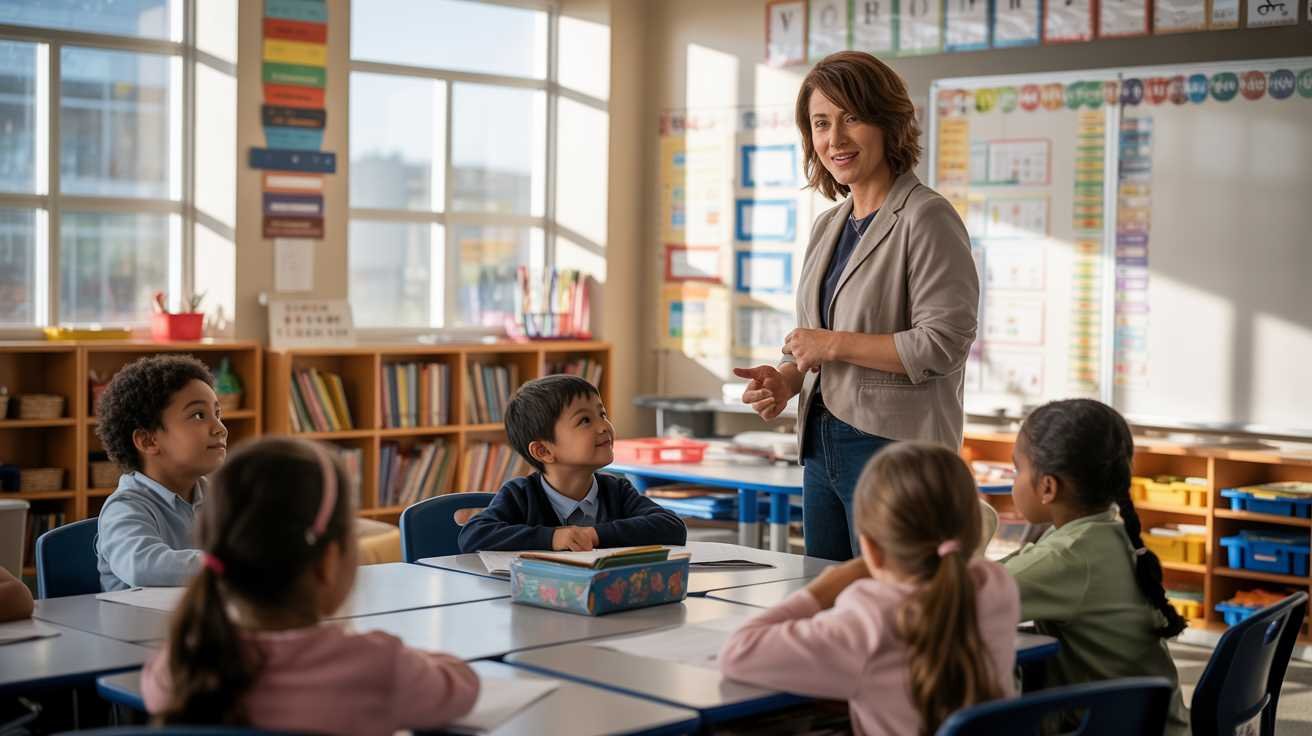
In the fast-paced world of education, where every moment counts and every lesson matters, mastering classroom management isn’t just a skill – it’s a necessity. Teachers are the architects of the learning environment, and their ability to maintain order, foster engagement, and inspire students can make or break the educational experience. Without effective classroom management, even the most well-planned lessons can fall apart, leaving both educators and students frustrated and disengaged.
Imagine walking into a classroom where students are not only quiet and attentive but also actively participating, collaborating, and thriving. This isn’t a distant dream – it’s an achievable reality with the right strategies in place. The urgency to implement these strategies is paramount; the longer ineffective management persists, the more challenging it becomes to reclaim control and cultivate a positive learning atmosphere.
One invaluable resource for educators seeking to enhance their classroom management skills is educationlearningmyanmar.org. This platform offers a wealth of information, tools, and community support to help teachers navigate the complexities of classroom dynamics and create environments where students can flourish.
Establishing Clear Expectations from Day One
The foundation of any successful classroom management plan is the establishment of clear, consistent expectations. From the very first day, students should understand the behavioral norms and academic standards expected of them. This clarity not only helps prevent misunderstandings but also sets the tone for the rest of the school year.
Effective teachers involve students in the creation of these expectations, fostering a sense of ownership and accountability. By discussing and agreeing upon classroom rules together, students are more likely to adhere to them, knowing they had a hand in shaping them. This collaborative approach also promotes respect and mutual understanding between teachers and students.
Moreover, visual reminders of these expectations, such as posters or charts displayed prominently in the classroom, serve as constant reinforcements. Regularly revisiting and reflecting on these rules ensures they remain at the forefront of students’ minds, guiding their behavior throughout the year.
Building Positive Relationships with Students
At the heart of effective classroom management lies the teacher-student relationship. Building trust, showing genuine interest in students’ lives, and demonstrating empathy can transform a classroom from a place of mere instruction to a community of learners.
When students feel valued and understood, they are more likely to engage in the learning process and exhibit positive behaviors. Simple gestures, such as greeting students by name, acknowledging their achievements, and providing individualized support, can have a profound impact on classroom dynamics.
Additionally, fostering a classroom culture where students feel safe to express themselves and take risks in their learning encourages active participation and reduces instances of disruptive behavior. A positive, supportive environment is conducive to both academic success and personal growth.
Implementing Consistent Routines and Procedures
Predictability is a powerful tool in classroom management. When students know what to expect and understand the procedures for daily activities, transitions become smoother, and time is used more effectively.
Establishing routines for tasks such as entering the classroom, submitting assignments, and transitioning between activities minimizes confusion and off-task behavior. These routines should be taught explicitly, practiced regularly, and reinforced consistently to become ingrained in students’ habits.
Consistency in implementing these routines not only enhances efficiency but also reduces anxiety among students, as they feel more secure in knowing what is expected of them. Over time, these routines become second nature, allowing for a more focused and productive learning environment.
Utilizing Positive Reinforcement Techniques
Positive reinforcement is a cornerstone of effective classroom management. Recognizing and rewarding desirable behaviors encourages students to repeat those behaviors, leading to a more harmonious classroom atmosphere.
Rewards can take various forms, including verbal praise, tangible incentives, or additional privileges. The key is to ensure that the reinforcement is meaningful to the student and aligns with the behavior being encouraged.
Incorporating a system of positive reinforcement not only motivates students but also shifts the focus from punishing undesirable behaviors to promoting and celebrating positive actions. This approach fosters a more constructive and encouraging classroom environment.
Addressing Misbehavior with Constructive Strategies
While prevention is ideal, misbehavior is an inevitable part of classroom life. The manner in which teachers address these instances can significantly influence the overall classroom climate.
Rather than resorting to punitive measures, effective teachers employ constructive strategies that focus on understanding the root causes of misbehavior and guiding students toward better choices. This may involve private conversations, restorative practices, or providing opportunities for students to reflect on their actions and make amends.
By addressing misbehavior thoughtfully and consistently, teachers can maintain order while also promoting personal responsibility and growth among students. This approach reinforces the idea that mistakes are opportunities for learning and development.
Creating an Engaging and Inclusive Learning Environment
An engaging classroom is one where students are actively involved in the learning process. Incorporating a variety of teaching methods, such as hands-on activities, collaborative projects, and technology integration, caters to diverse learning styles and keeps students interested and motivated.
Inclusivity is equally important. Ensuring that all students, regardless of their background or abilities, feel represented and supported in the classroom promotes a sense of belonging and encourages active participation.
When students are engaged and feel included, they are more likely to exhibit positive behaviors and take ownership of their learning. An engaging and inclusive environment sets the stage for academic success and personal development.
Leveraging Technology for Classroom Management
In today’s digital age, technology can be a powerful ally in classroom management. Tools such as digital behavior tracking systems, interactive learning platforms, and communication apps can streamline administrative tasks, enhance student engagement, and facilitate communication between teachers, students, and parents.
For instance, platforms like educationlearningmyanmar.org offer resources and tools that can assist teachers in managing their classrooms more effectively. These tools can help track student progress, communicate expectations, and provide additional support where needed.
By thoughtfully integrating technology into classroom management practices, educators can create more efficient, dynamic, and responsive learning environments that meet the needs of today’s students.
Continuously Reflecting and Adapting Management Practices
Effective classroom management is not a static skill but a dynamic process that requires ongoing reflection and adaptation. Regularly assessing the effectiveness of management strategies and being open to change ensures that the classroom environment remains conducive to learning.
Seeking feedback from students, observing classroom interactions, and staying informed about new research and best practices can provide valuable insights into areas for improvement.
By embracing a mindset of continuous improvement, teachers can refine their classroom management approaches to better meet the evolving needs of their students and create an environment where learning thrives.
In conclusion, mastering classroom management is not merely about maintaining order; it’s about creating an environment where students feel safe, valued, and motivated to learn. By implementing these strategies, teachers can transform their classrooms into vibrant learning communities that inspire success and foster a love of learning.
Don’t wait for chaos to disrupt your classroom. Take proactive steps today to implement these strategies and experience the transformation in your students’ behavior and engagement. For more resources and support, visit educationlearningmyanmar.org and join a community of educators dedicated to excellence in teaching and learning.
If you want to enhance your teaching methods, understanding the latest educational buzz words can provide valuable insights into motivating students with diverse learning preferences.
If you want to understand the underlying issues affecting students with special educational needs, it’s crucial to explore the educational neglect definition and its implications on their learning journey.
If you want to unlock the full potential of your students, explore innovative strategies that foster creativity and critical thinking. Discover how to implement these techniques while taking advantage of the educator discount gm to enhance your teaching resources.


