
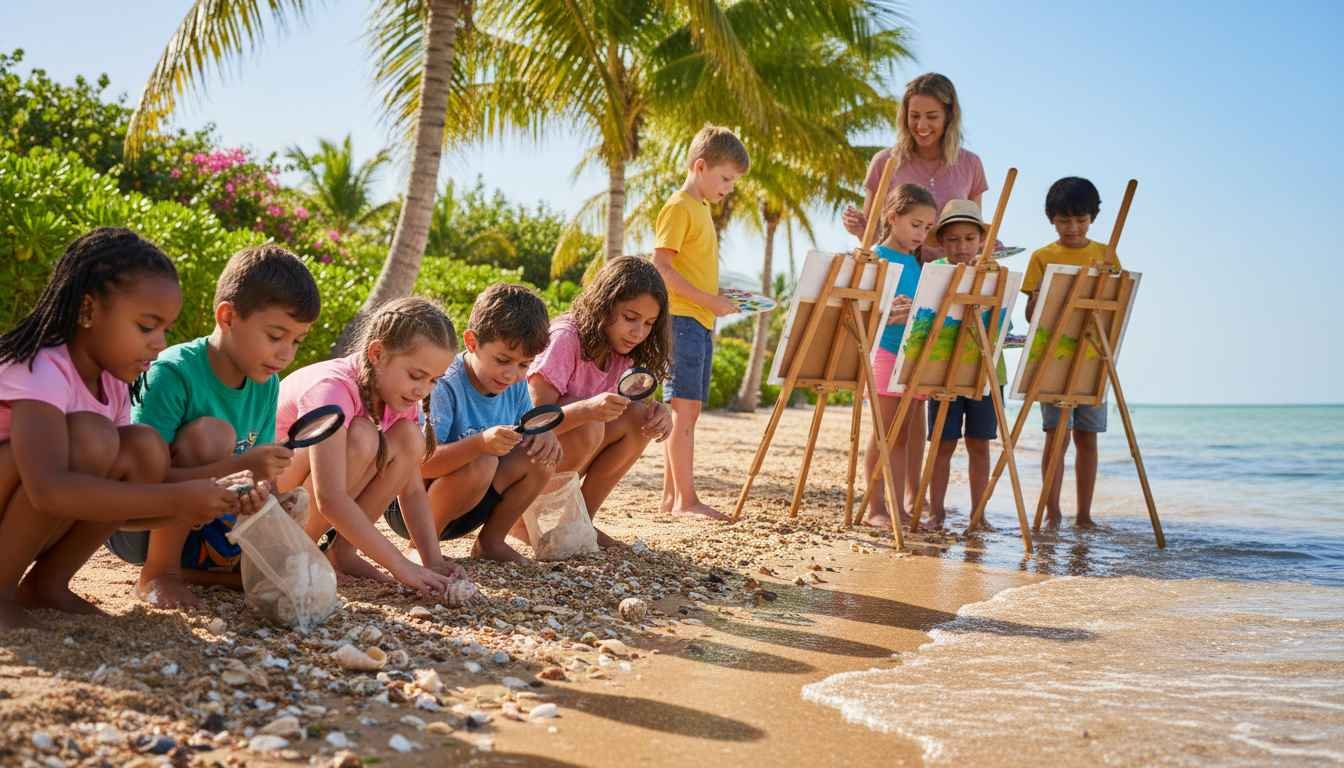
Ignorance is bliss, until a child’s restless energy meets a lack of engaging outlets. Marco Island, nestled along Florida’s Gulf Coast, has become a hub for families seeking activities that are both entertaining and educational. With its unique ecosystem, rich history, and vibrant local culture, the island offers children opportunities to explore, create, and connect with nature in ways that foster cognitive and social development.
The first aspect to understand about Marco Island kids activities is the diversity of options. From hands-on marine exploration to guided art workshops, the island’s offerings cater to various age groups and developmental stages. According to a 2022 report by the National Recreation and Park Association, children who engage in structured outdoor activities demonstrate 25% higher attention span metrics compared to peers limited to indoor recreation.
Quick Definitions
Eco-tourism: Travel focused on natural environments to learn and appreciate ecosystems.
STEM Activities: Learning experiences centered on Science, Technology, Engineering, and Mathematics.
Marine Biology Programs: Educational sessions teaching about aquatic life and conservation.
One of the most celebrated activities on Marco Island is the hands-on marine experience. Children can join guided tours at Tigertail Beach, where tidal flats reveal shells, crabs, and small fish. These excursions are not merely recreational; they introduce fundamental ecological concepts, helping kids understand biodiversity and environmental stewardship. The Marco Island Historical Museum also offers educational programs that allow children to interact with historical artifacts, recreating the lives of the Calusa Indians who inhabited the island centuries ago.
Art and creativity are well-represented as well. The Marco Island Art Center hosts workshops designed specifically for young audiences. Studies from the Journal of Early Childhood Research indicate that children involved in structured art activities exhibit improved fine motor skills and heightened emotional intelligence. By engaging in painting, sculpture, and collaborative projects, children develop both self-expression and social collaboration skills.
For families prioritizing physical development, the island provides multiple outdoor sports and activity centers. Soccer camps, swimming lessons, and junior tennis programs integrate exercise with structured learning, supporting physical fitness and cognitive growth simultaneously. The Florida Department of Health recommends at least 60 minutes of moderate to vigorous physical activity daily for children aged 6–17, highlighting the importance of accessible local programs.
Science-oriented families will find enrichment programs at the Rookery Bay Environmental Learning Center particularly valuable. The center offers STEM-focused sessions including hands-on investigations of wetlands, wildlife monitoring, and guided kayak trips that incorporate data collection exercises. A 2021 study from the University of Florida found that children who participate in outdoor STEM programs showed a 15% increase in problem-solving abilities compared to peers in traditional classroom settings.
It is also worth noting the benefits of structured group play. Activities such as team-building obstacle courses, scavenger hunts, and cooperative games not only entertain but foster leadership, empathy, and resilience. These experiences encourage children to communicate effectively, make decisions, and manage challenges, essential skills that translate into academic and social success.
Families considering visits or extended stays on Marco Island should also be aware of practical considerations. Crowded beaches during peak season may limit access to some activities, and certain programs may require advance registration. For parents who need support balancing healthcare and recreation planning, resources like Kidsvillepeds offer guidance on pediatric wellness and safety tips for outdoor activities.
Potential Drawbacks
Despite the abundance of offerings, not every activity suits all children. Highly structured programs may overwhelm younger kids, while physically demanding excursions may not be appropriate for children with mobility limitations. Additionally, environmental factors such as high temperatures and sun exposure require careful supervision to prevent heat-related risks. Families should assess individual needs and consult local guidance to ensure activities align with each child’s abilities and interests.
Data Insights and Trends
Research shows that engaging children in nature-based learning experiences can have long-term cognitive and emotional benefits. According to the U.S. Forest Service, children exposed to regular outdoor education demonstrate improved concentration, reduced stress levels, and enhanced creativity. In Marco Island, integrating eco-tourism with hands-on STEM programs provides a dual advantage of entertainment and educational enrichment, making it a uniquely valuable destination for families.
Conclusion
Marco Island’s landscape of kids activities blends nature, history, art, and science into a comprehensive developmental experience. From marine exploration and creative workshops to sports and STEM programs, the island ensures that children have opportunities to grow, learn, and thrive. By carefully selecting activities appropriate for age and capability, parents can maximize both enjoyment and educational impact, creating lasting memories and meaningful learning experiences for their children.


