
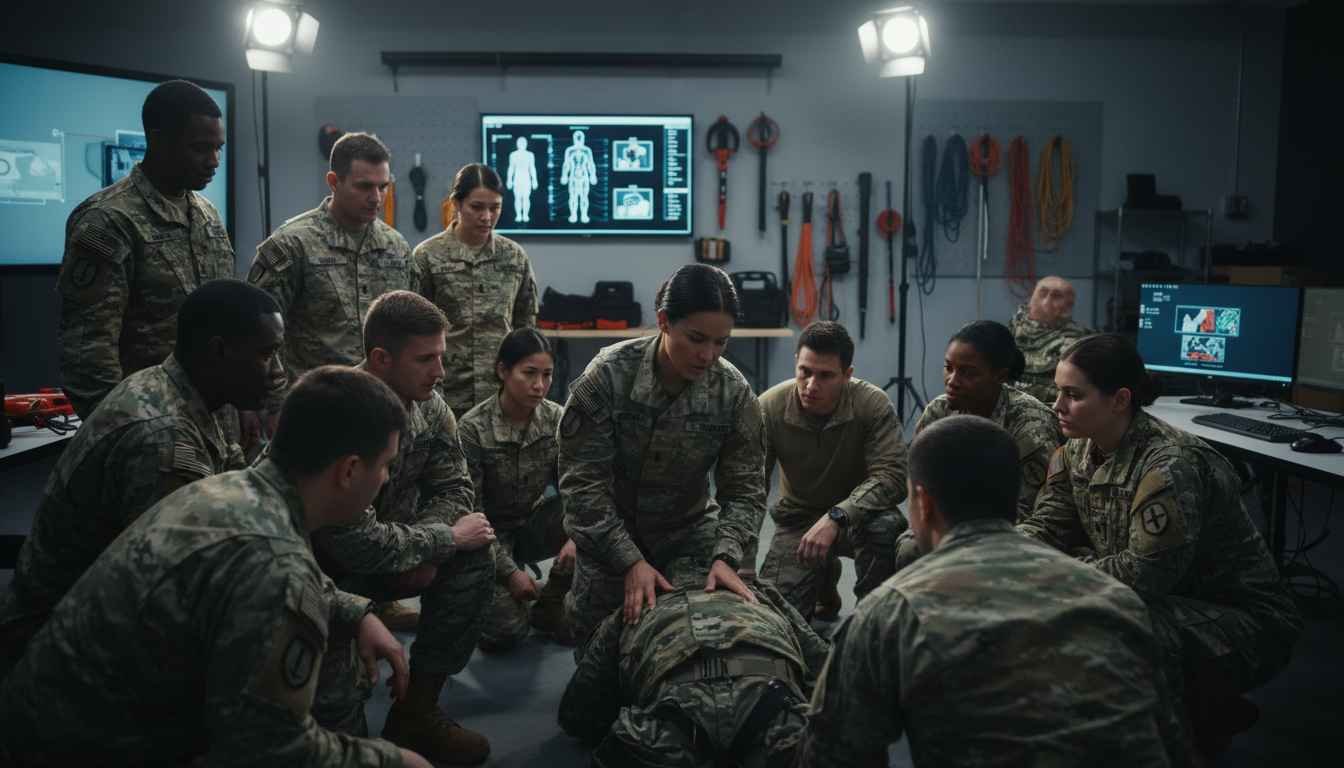
My grandmother used to say, “The strength of a team is measured in moments of crisis.” This wisdom resonates deeply when we consider personnel recovery joint education and training efforts. These programs are designed to prepare medical and military personnel to work together seamlessly during high-stakes rescue and recovery operations, ensuring safety and efficiency when lives hang in the balance.
Pros of Joint Education and Training Efforts
First, joint training fosters collaboration across different units and specialties. According to a 2021 study published in the Journal of Military Medicine, integrated training exercises improve response time by up to 25%, highlighting how coordination can save lives. Participants gain exposure to varied scenarios, from battlefield evacuation to disaster response, building both technical skills and adaptive problem-solving abilities.
Second, these programs enhance communication skills under stress. Drills that simulate real-world emergencies train personnel to relay critical information accurately, reducing errors and misunderstandings during actual recovery operations. In addition, repeated exercises promote muscle memory for essential procedures, creating a natural, instinctive response during emergencies.
Third, personnel recovery joint education and training efforts can increase confidence and morale. Knowing that your team is prepared and capable reduces anxiety, allowing personnel to focus on their roles instead of second-guessing each step.
Cons and Potential Drawbacks
Time and cost commitments are significant. These programs often require weeks of preparation, simulation exercises, and repeated assessments. Participants may also face physical and mental fatigue during intensive training, which can temporarily impact regular duties. There is also the risk of uneven learning outcomes; not all personnel absorb the training equally, which may create disparities in field performance.
Additionally, overly rigid scenarios can sometimes limit adaptability. Real-world crises often deviate from scripted exercises, and personnel must be ready to improvise beyond the training parameters. These programs may also be resource-intensive, making them less feasible for smaller organizations with limited budgets.
Time & Cost Estimate
Duration: 2–6 weeks depending on the depth of training
Cost: $2,000–$8,000 per participant including simulation exercises and materials
Despite the challenges, the value of joint education in personnel recovery cannot be overstated. For nursing students and healthcare professionals looking to understand these integrated approaches, resources like Level Up RN Nursing Test Prep and Flashcards from Cathy Parkes can provide structured learning pathways that reinforce teamwork, critical thinking, and rapid decision-making, all crucial in emergency recovery operations.
Who Should Avoid This?
Personnel with severe physical limitations or those unable to commit to intensive schedules may find these programs unsuitable. Similarly, organizations lacking support for simulation-based training may not see meaningful benefits without substantial investment in infrastructure and staff time.


