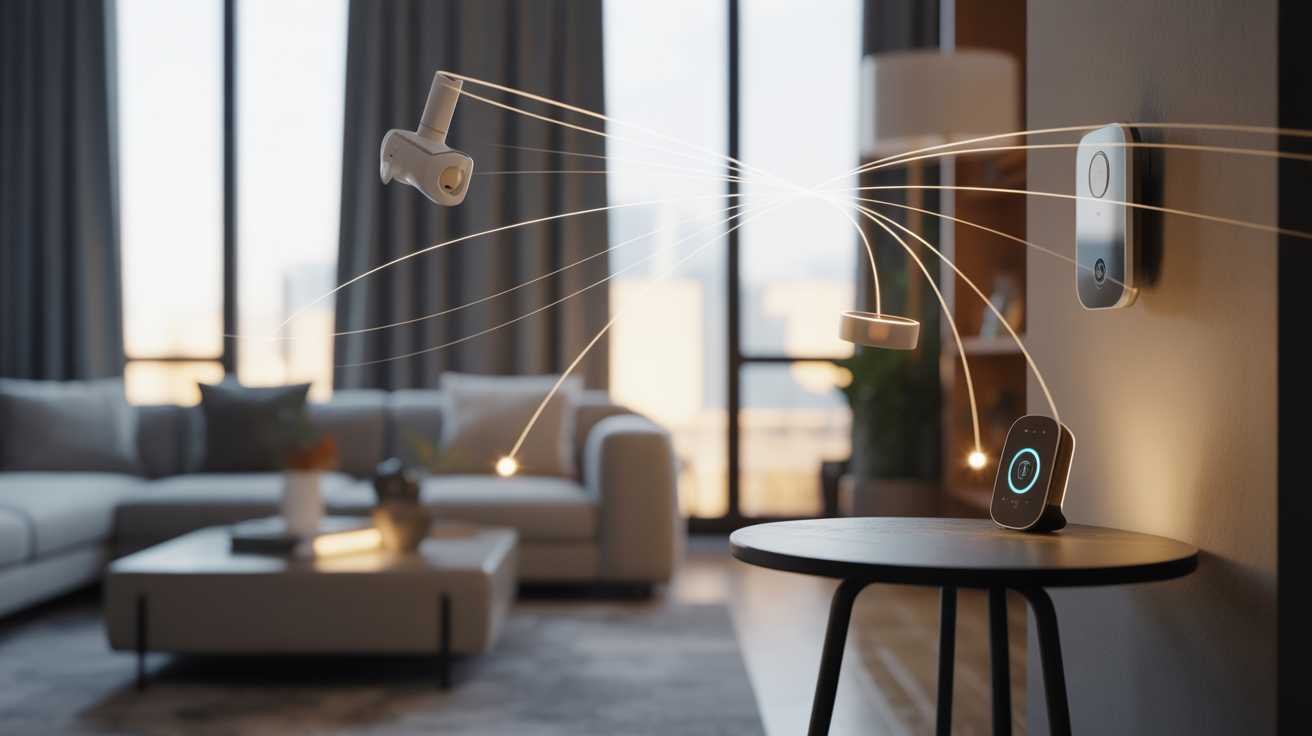
Imagine stepping into your home after a long day, greeted not by the usual clutter and chaos, but by a serene, intelligent environment that anticipates your every need. The lights adjust to your preferred brightness, the thermostat sets the perfect temperature, and your favorite music begins to play softly in the background. This isn’t a scene from a futuristic movie – it’s the reality of today’s smart homes. As we approach 2025, smart home technology is no longer a luxury; it’s becoming an essential part of modern living, transforming our homes into hubs of safety, comfort, and connectivity.
The Rise of Smart Home Technology
The evolution of smart home technology has been nothing short of remarkable. What began with simple devices like programmable thermostats and smart bulbs has blossomed into a comprehensive ecosystem of interconnected devices that work seamlessly together. This transformation is driven by advancements in artificial intelligence, machine learning, and the Internet of Things (IoT), enabling devices to communicate with each other and adapt to our behaviors and preferences.
In 2025, smart homes are more intuitive than ever. Devices learn from our routines, adjusting settings automatically to enhance comfort and efficiency. For instance, smart thermostats analyze your schedule and adjust the temperature accordingly, ensuring you’re always comfortable without wasting energy. Similarly, smart lighting systems can detect your presence and adjust brightness levels to suit the time of day or activity, creating the perfect ambiance for any occasion.
This level of automation not only enhances convenience but also contributes to energy efficiency. According to industry reports, the smart home market is projected to reach $222.90 billion by 2027, with a significant portion of this growth attributed to energy-saving technologies. As more homeowners embrace smart devices, the collective impact on energy consumption is expected to be substantial, leading to both cost savings and environmental benefits.
Enhancing Home Security with Smart Devices
Safety is a top priority for homeowners, and smart home technology is revolutionizing the way we protect our homes. Traditional security systems often rely on passive measures like alarms and cameras, but smart devices take a proactive approach, providing real-time alerts and remote monitoring capabilities.
Smart locks, for example, offer keyless entry and can be controlled remotely, allowing homeowners to grant access to trusted individuals even when they’re not at home. Video doorbells provide live video feeds and two-way audio, enabling you to see and communicate with visitors from anywhere. Additionally, smart cameras equipped with motion detection can send instant alerts to your smartphone, allowing you to monitor activity around your home in real-time.
These devices not only enhance security but also offer peace of mind. Knowing that you can monitor your home remotely and receive instant notifications in case of unusual activity adds an extra layer of protection. Moreover, many smart security devices integrate with other smart home systems, allowing for coordinated responses to potential threats. For instance, if a smart camera detects motion, it can trigger lights to turn on, deterring potential intruders.
Creating Comfort with Smart Home Automation
Comfort is at the heart of the smart home experience. Imagine waking up to a home that has already adjusted the lighting, temperature, and even started brewing your coffee. Smart home automation makes this possible by learning your preferences and routines, creating an environment that suits your lifestyle.
Smart thermostats, such as the Nest Learning Thermostat, can learn your schedule and adjust the temperature accordingly, ensuring your home is always at the perfect temperature when you arrive. Similarly, smart lighting systems can be programmed to adjust throughout the day, providing optimal lighting for different activities and times of day.
Beyond temperature and lighting, smart home automation extends to entertainment and appliances. Voice-controlled assistants like Amazon Alexa and Google Assistant allow you to control music, television, and even appliances with simple voice commands. Want to watch your favorite show? Just ask. Need to preheat the oven? It’s done. This level of convenience enhances daily living, making tasks simpler and more enjoyable.
Connectivity: The Backbone of Smart Homes
At the core of every smart home is connectivity. Devices rely on a stable and fast internet connection to communicate with each other and with your smartphone or voice assistant. The advent of 5G technology and improved Wi-Fi standards has significantly enhanced the reliability and speed of these connections, enabling seamless integration of smart devices.
Moreover, the development of universal standards like Matter has facilitated interoperability among devices from different manufacturers. This means that regardless of the brand, your smart devices can work together harmoniously, providing a cohesive and integrated smart home experience.
However, with the increasing number of connected devices, ensuring robust cybersecurity is paramount. Homeowners must take steps to secure their networks, such as using strong, unique passwords, enabling two-factor authentication, and regularly updating device firmware. Manufacturers are also prioritizing security, implementing features like end-to-end encryption and secure boot processes to protect user data and privacy.
Smart Home Devices for Every Room
Smart home technology isn’t limited to a single room – it’s designed to enhance every part of your home. In the kitchen, smart refrigerators can monitor inventory, suggest recipes, and even order groceries when supplies run low. Smart ovens can be preheated remotely, and some models can even recognize food items and adjust cooking settings automatically.
In the living room, smart TVs offer streaming capabilities, voice control, and integration with other smart devices, allowing for a personalized entertainment experience. Smart speakers can play music, answer questions, and control other smart devices with voice commands.
In the bedroom, smart lighting can create the perfect ambiance for relaxation or sleep, while smart beds can monitor sleep patterns and adjust firmness for optimal comfort. Smart air purifiers can ensure the air quality is always at its best, promoting better health and well-being.
Even in the bathroom, smart devices are making a difference. Smart mirrors can display the weather, news, or your calendar while you get ready. Smart showers can adjust water temperature and pressure to your preferences, and some models can even play music or podcasts to enhance your shower experience.
Integrating Smart Devices for a Seamless Experience
One of the key advantages of smart home technology is the ability to integrate various devices into a unified system. Platforms like Samsung SmartThings, Apple HomeKit, and Google Home allow you to control and monitor all your smart devices from a single app, providing a centralized hub for your smart home.
Integration goes beyond control – it also enables automation. For example, you can set up routines that trigger multiple actions with a single command. A “Good Morning” routine could turn on the lights, adjust the thermostat, and start the coffee maker, all at once. Similarly, a “Good Night” routine could lock the doors, turn off the lights, and set the security system, ensuring your home is secure and ready for rest.
These automations not only enhance convenience but also contribute to energy efficiency and security. By scheduling devices to operate only when needed and coordinating actions across devices, you can reduce energy consumption and ensure your home is always operating at its best.
The Future of Smart Homes
The future of smart homes is bright, with continuous advancements on the horizon. In the coming years, we can expect even more intelligent and intuitive devices that learn from our behaviors and adapt to our needs. Artificial intelligence will play a significant role in this evolution, enabling devices to make decisions and take actions autonomously.
Additionally, the integration of emerging technologies like augmented reality (AR) and virtual reality (VR) could revolutionize the way we interact with our homes. Imagine using AR glasses to visualize how new furniture will look in your living room or using VR to tour a smart home before making a purchase decision.
As these technologies develop, the smart home experience will become even more immersive and personalized, offering unprecedented levels of comfort, convenience, and control. Homeowners will have the ability to create environments that are perfectly tailored to their lifestyles, enhancing their quality of life and transforming their homes into true smart sanctuaries.
Seizing Opportunities in the Smart Home Industry
The rapid growth of the smart home industry presents numerous opportunities for individuals seeking to enter the field. Technical education jobs related to smart home technology are in high demand, ranging from installation and maintenance to design and programming. These roles offer competitive salaries and the chance to work with cutting-edge technology in a dynamic and evolving industry.
Organizations like CEDIA provide certification programs and training resources to help individuals develop the skills needed to succeed in the smart home sector. Whether you’re interested in becoming a smart home installer, a system designer, or a project manager, there are pathways to build a rewarding career in this field.
Moreover, the increasing adoption of smart home technology across various sectors – residential, commercial, and healthcare – expands the scope of job opportunities. As more industries recognize the benefits of smart devices, the demand for skilled professionals to design, implement, and manage these systems continues to grow.
For those interested in pursuing a career in the smart home industry, staying informed about the latest trends and technologies is crucial. Engaging with industry communities, attending conferences, and participating in training programs can provide valuable insights and connections to help advance your career in this exciting field.