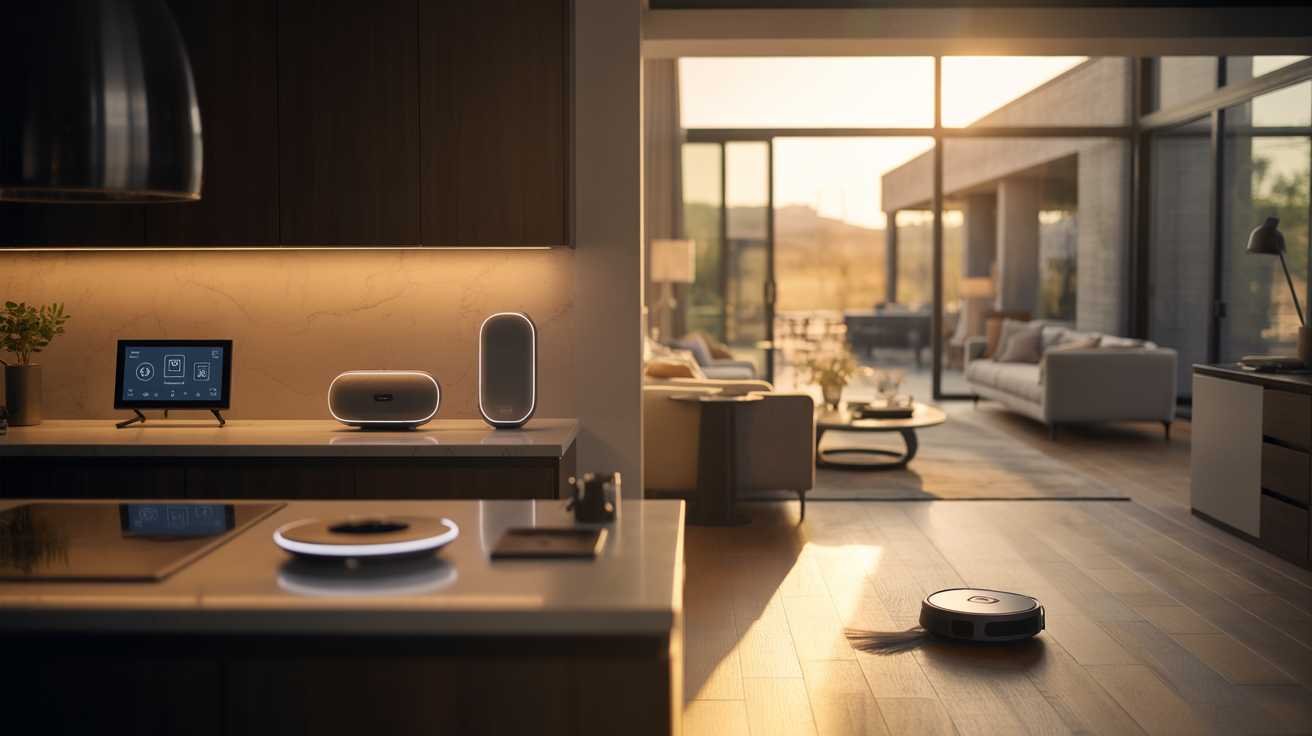
Imagine waking up to the gentle hum of your blinds lifting, the aroma of freshly brewed coffee filling the air, and your favorite playlist softly playing in the background – all without lifting a finger. Welcome to the future of living, where smart home gadgets are not just enhancing daily convenience but are becoming indispensable. In 2025, the integration of Artificial Intelligence (AI), the Internet of Things (IoT), and intuitive design has transformed our homes into responsive, personalized sanctuaries. These innovations are not merely trends; they are reshaping how we live, work, and interact with our environments.
The Rise of AI-Powered Smart Homes
At the heart of this revolution lies AI-powered smart home technology. Devices are no longer passive tools; they are active participants in our daily routines. AI enables homes to learn from our behaviors, anticipate our needs, and adapt accordingly. For instance, smart thermostats analyze your schedule to optimize heating and cooling, ensuring comfort while conserving energy. Similarly, AI-driven lighting systems adjust brightness and color temperature based on the time of day and your activities, creating an ambiance that enhances productivity or relaxation as needed.
Beyond comfort, AI enhances security. Advanced surveillance systems utilize facial recognition and motion detection to monitor your home, alerting you to unusual activities in real-time. These systems can differentiate between familiar faces and strangers, reducing false alarms and providing peace of mind. Moreover, AI integration allows for seamless control of various devices through voice commands or mobile apps, offering unparalleled convenience and accessibility.
Smart Kitchens: Revolutionizing Meal Preparation
The kitchen, often considered the heart of the home, has undergone a significant transformation with the advent of smart technology. Imagine a refrigerator that tracks your groceries, suggests recipes based on available ingredients, and even orders missing items for delivery. Smart ovens can be preheated remotely and adjusted during cooking to ensure perfect results every time. Voice-controlled assistants can set timers, convert measurements, and provide step-by-step cooking instructions, making meal preparation more efficient and enjoyable.
These innovations not only save time but also reduce food waste by helping you plan meals and manage inventory effectively. The integration of AI allows these devices to learn your preferences and habits, offering personalized suggestions and reminders. As the demand for convenience and efficiency grows, the smart kitchen is poised to become a standard feature in modern homes.
Intelligent Lighting Systems: Beyond Illumination
Lighting has evolved from a mere necessity to a dynamic element that enhances the ambiance and functionality of a space. Intelligent lighting systems offer more than just on/off control; they provide customization options that cater to various moods and activities. Through smart bulbs and switches, you can adjust brightness, color, and even set schedules to align with your daily routines.
These systems can be integrated with other smart home devices to create synchronized environments. For example, your lights can dim automatically when you start a movie, or brighten gradually in the morning to simulate a natural sunrise, aiding in a more pleasant wake-up experience. Additionally, intelligent lighting contributes to energy efficiency by allowing you to monitor and control usage remotely, ensuring that lights are not left on unnecessarily.
Advanced Security Solutions: Protecting What Matters Most
Security remains a top priority for homeowners, and smart technology has introduced advanced solutions to safeguard our properties. Smart locks offer keyless entry, remote access, and activity logs, enhancing convenience and security. Video doorbells allow you to see and communicate with visitors remotely, providing an added layer of protection against potential threats.
Integrated security systems combine various devices, such as cameras, sensors, and alarms, into a cohesive network that can be monitored and controlled from a single platform. These systems can detect unusual activities, send real-time alerts, and even notify emergency services if necessary. The ability to customize settings and receive instant notifications ensures that you are always informed and in control of your home’s security.
Health and Wellness: Smart Devices for a Better You
Smart home technology extends beyond convenience and security; it also plays a significant role in promoting health and wellness. Wearable devices track your physical activity, sleep patterns, and vital signs, providing insights into your overall health. Smart mirrors can analyze your skin condition and offer personalized skincare recommendations, while AI-powered fitness equipment tailors workouts to your fitness level and goals.
Environmental sensors monitor air quality, humidity, and temperature, alerting you to conditions that may affect your health. Smart water bottles remind you to stay hydrated, and connected appliances can prepare healthy meals based on your dietary preferences. By integrating these devices into your daily routine, you can take proactive steps toward maintaining a healthy lifestyle.
Energy Efficiency: Smart Solutions for Sustainable Living
As concerns about environmental sustainability grow, smart home technology offers solutions to reduce energy consumption and minimize carbon footprints. Smart thermostats learn your heating and cooling preferences, adjusting settings to optimize energy use without sacrificing comfort. Energy-monitoring plugs and appliances provide real-time data on energy consumption, helping you identify areas where you can reduce waste.
Solar panels integrated with smart home systems allow for efficient energy generation and storage, reducing reliance on traditional power sources. Additionally, smart irrigation systems adjust watering schedules based on weather conditions and soil moisture levels, conserving water resources. These technologies not only contribute to environmental sustainability but also result in cost savings over time.
Seamless Integration: Creating a Unified Smart Home Ecosystem
The true potential of smart home technology is realized when devices work together seamlessly. Platforms like Google Home, Amazon Alexa, and Apple HomeKit serve as central hubs that connect and control various devices, allowing for synchronized operations and automation. Through these platforms, you can set routines, create scenes, and manage devices from a single interface.
For example, a “Good Morning” routine could adjust the thermostat, turn on the lights, start the coffee maker, and read the day’s weather forecast aloud. Similarly, a “Leaving Home” scene could lock doors, turn off lights, and arm security systems automatically. The ability to customize these routines enhances convenience and ensures that your home responds to your needs effortlessly.
The Future of Smart Homes: What’s Next?
The evolution of smart home technology shows no signs of slowing down. Future advancements include more intuitive AI, enhanced interoperability between devices, and greater emphasis on privacy and security. Voice assistants are becoming more conversational and context-aware, understanding nuances in language and adapting to individual preferences.
Augmented reality (AR) and virtual reality (VR) are expected to play a role in home design and entertainment, allowing users to visualize changes to their living spaces or experience immersive media. Additionally, advancements in robotics may introduce household assistants capable of performing tasks such as cleaning, cooking, and caregiving, further enhancing convenience and quality of life.
Why Now Is the Time to Embrace Smart Home Technology
The integration of smart home gadgets into daily life is no longer a futuristic concept; it is a present-day reality. Early adoption offers numerous benefits, including enhanced convenience, improved security, and increased energy efficiency. As technology continues to advance, the cost of smart devices is decreasing, making them more accessible to a broader range of consumers.
Moreover, the growing ecosystem of compatible devices and platforms ensures that you can create a personalized smart home tailored to your specific needs and preferences. Whether you are looking to upgrade existing systems or embark on a complete home automation project, now is the ideal time to invest in smart home technology and experience the myriad advantages it offers.