
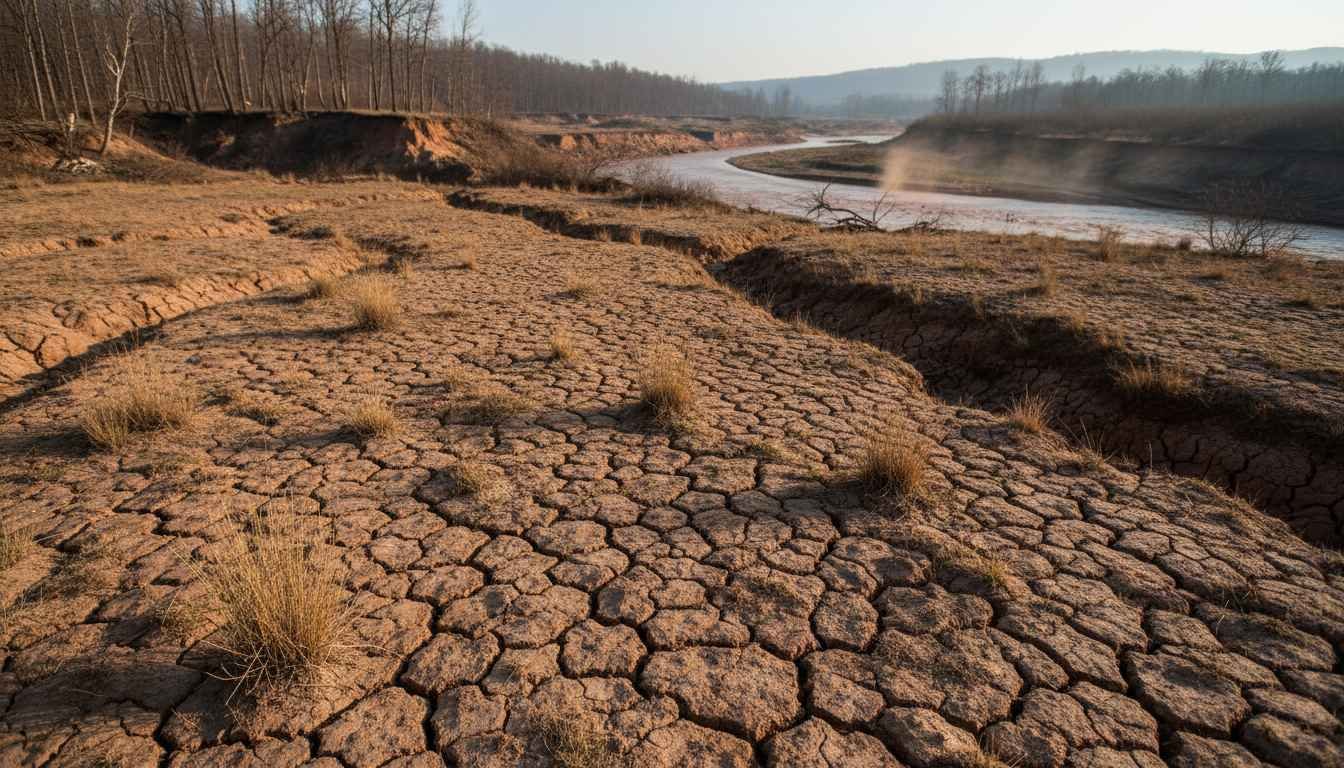
Ignorance is bliss, until the topsoil beneath our feet begins to vanish. Soil erosion, a gradual yet relentless process, silently reshapes landscapes, disrupts ecosystems, and threatens biodiversity. While many consider it merely a farming concern, its environmental impact stretches far beyond the fields.
Ingredients/Materials Needed to Understand Soil Erosion
1. Soil type – sandy, clay, or loam (1 sample of each for observation)
2. Vegetation cover – grass, shrubs, or trees (10–20 plants per type)
3. Water source – rainfall simulator or irrigation (approx. 2 liters per trial)
4. Slope gradient – flat to steep (1–5 meters of inclined surface)
5. Erosion measurement tools – sediment collection trays or soil pins (5 units per area)
Step-by-Step Breakdown of Environmental Impacts
Soil erosion removes nutrient-rich topsoil, reducing fertility and affecting plant growth. This process often leads to sedimentation in nearby rivers and lakes, disturbing aquatic life. Dr. Linda Chen, a soil scientist at the University of California, notes, “When topsoil erodes, it’s not just a loss of nutrients – it destabilizes the entire terrestrial ecosystem, making plants and microorganisms vulnerable.”
Another significant consequence is the contribution to carbon release. Soil stores organic carbon, and erosion exposes it to the atmosphere, exacerbating climate change. Additionally, erosion can increase the risk of landslides and flooding, particularly in hilly or deforested areas. Communities may face infrastructure damage and higher maintenance costs, linking environmental degradation directly to human welfare.
Implementing natural barriers like grasses and trees, maintaining ground cover, and designing terraces are effective mitigation strategies. Organizations dedicated to environmental education, such as San Diego Botanic Garden, showcase sustainable plantings that reduce erosion while supporting biodiversity.
Potential Drawbacks
While conservation measures like terracing and reforestation are effective, they can be resource-intensive and require long-term maintenance. Improperly managed interventions may lead to unintended consequences, such as altering natural water flow or introducing non-native species.
Conclusion
Understanding soil erosion effects on the environment is critical for sustainable land management. By observing the interplay of soil, vegetation, and water, and applying careful preventive measures, we can preserve fertile land, protect ecosystems, and mitigate climate impacts for future generations.


