
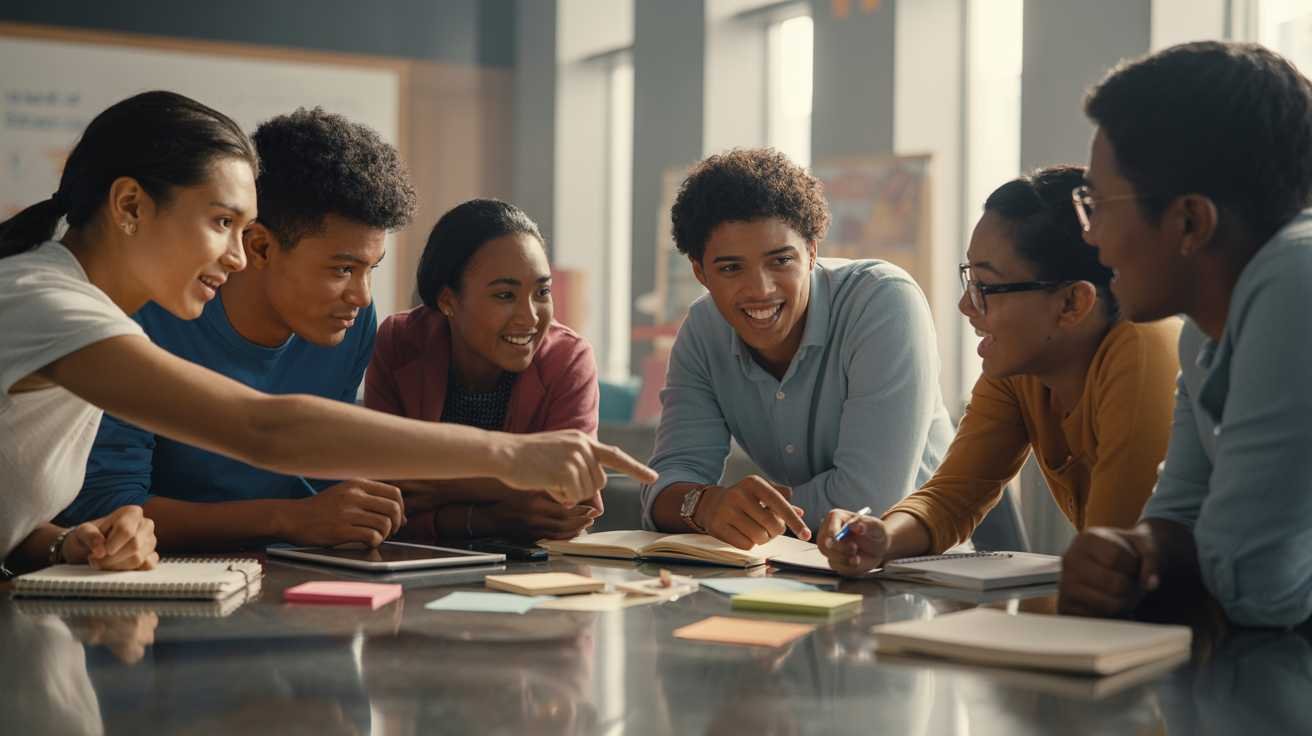
Unlocking the Power of Education and Relationships Through Peer Support
In today’s rapidly evolving educational landscape, the intersection of education and relationships has never been more critical. Students no longer thrive solely through lectures and textbooks; they flourish in environments where peer support is actively nurtured. Imagine walking into a vibrant online learning community buzzing with excitement, where every question sparks conversation, every achievement is celebrated collectively, and learning feels like an immersive, shared adventure. This level of engagement is not a luxury – it is an urgent necessity. Research consistently shows that learners who engage in supportive networks exhibit higher retention rates, improved critical thinking, and a deeper sense of belonging. By strategically fostering peer support, educational institutions and organizations can create ecosystems where learners are motivated to push boundaries, exchange knowledge, and collaborate with intensity and purpose. The subtle yet profound ways relationships within educational settings enhance motivation and performance cannot be overstated, creating a palpable sense of FOMO for those not yet plugged into such dynamic communities.
Creating Structured Collaborative Spaces
Structured collaborative spaces are the backbone of any thriving learning community. These spaces, whether physical classrooms or virtual platforms, act as the fertile ground where education and relationships can intertwine seamlessly. Consider a virtual discussion board where students are grouped into small cohorts based on shared interests or learning objectives. Each cohort becomes a microcosm of support, fostering intimate interactions that drive meaningful engagement. Providing clear guidelines, roles, and expectations ensures that collaboration is not left to chance but is an intentional, systematic effort. Visual cues, interactive dashboards, and real-time feedback can transform these spaces into energetic hubs where knowledge flows freely. When learners witness peers actively contributing, questioning, and celebrating achievements, it ignites a contagious drive to participate. The urgency of joining such interactive learning hubs becomes palpable, as anyone outside these circles risks missing out on transformative educational experiences that forge lasting connections and lifelong skills.
Leveraging Mentorship and Peer Tutoring
Mentorship programs and peer tutoring stand out as powerful strategies for fostering strong educational relationships. Imagine a seasoned student guiding a newcomer through a challenging project, providing personalized advice and actionable insights. The impact is immediate – learners feel supported, valued, and equipped to tackle complex tasks with confidence. Studies indicate that mentorship and peer tutoring enhance not only academic performance but also emotional intelligence, resilience, and the ability to collaborate effectively. By pairing learners strategically, communities ensure knowledge is transferred efficiently while nurturing authentic bonds. A learner who once struggled with a concept now celebrates a breakthrough alongside their mentor, illustrating the profound emotional resonance of shared learning journeys. This dynamic underscores the urgency of engaging in communities that prioritize mentorship; missing out means forfeiting not just guidance, but the immersive relational learning that transforms ordinary educational experiences into extraordinary ones.
Encouraging Open Communication and Vulnerability
Open communication is the lifeblood of peer collaboration, and fostering an environment where vulnerability is embraced accelerates learning exponentially. Visualize a community meeting where learners candidly discuss challenges, setbacks, and uncertainties. The raw authenticity of these conversations sparks empathy, deepens connections, and cultivates a culture of trust. When learners feel safe to express doubts without fear of judgment, education and relationships evolve beyond transactional exchanges into profound developmental partnerships. In practice, platforms that integrate live chat, video conferencing, and anonymous feedback forms enable students to communicate with fluidity and honesty. The urgency to participate in such transparent communities becomes undeniable; witnessing peers share breakthroughs and lessons learned generates a FOMO effect, compelling learners to immerse themselves fully or risk missing the emotional and intellectual rewards of genuine connection.
Implementing Gamification to Boost Engagement
Gamification is an innovative approach that harnesses competition, achievement, and social recognition to enhance peer support and collaboration. Imagine an interactive leaderboard where students earn points not just for individual performance but for helping peers, providing feedback, or completing group challenges. This framework turns learning into a visceral, high-stakes experience that heightens motivation and fosters camaraderie. Through badges, milestones, and instant rewards, learners experience a tangible sense of progress while actively supporting others. By integrating gamified elements into collaborative projects, educators create a dynamic environment where education and relationships are simultaneously strengthened. The sensory thrill of recognition, the visual feedback of achievement, and the collective cheer of a team’s success combine to generate an almost irresistible pull for learners to join, participate, and never want to miss another collaborative opportunity.
Promoting Cross-Disciplinary Collaboration
Cross-disciplinary collaboration opens doors to innovative problem-solving and enriches the educational experience. When learners from diverse academic backgrounds come together, their varied perspectives catalyze creative solutions and broaden critical thinking. Picture a group project where engineering students, writers, and business majors converge to tackle a real-world challenge. The blend of analytical rigor, narrative skill, and strategic insight produces outcomes far beyond what a single-discipline approach could achieve. These interactions underscore the intrinsic link between education and relationships; learners develop an appreciation for diverse skills, while simultaneously building networks that extend well beyond the classroom. Urgency arises because these opportunities are fleeting; those who hesitate miss the chance to collaborate in high-impact projects that could shape careers and forge enduring professional connections.
Utilizing Technology to Enhance Peer Interaction
Modern technology has redefined the boundaries of learning communities, making peer support more accessible and impactful than ever. Platforms integrating AI-driven recommendations, collaborative document editing, and instant messaging transform mundane learning into an immersive, interactive experience. Imagine students working on a complex case study in real time, their screens alive with annotations, feedback, and dynamic discussions. Technology amplifies the efficacy of peer relationships, allowing learners to connect across geographies, time zones, and disciplines seamlessly. Research demonstrates that digital collaboration tools improve engagement, retention, and performance, particularly when integrated thoughtfully into learning communities. The fear of being left behind grows as peers gain access to these tech-enhanced ecosystems, highlighting the pressing need to participate now or risk falling behind in both skill development and professional networking.
Recognizing and Rewarding Collaborative Efforts
Recognition and rewards are essential motivators in sustaining peer support within learning communities. Acknowledging collaborative achievements – whether through certificates, public praise, or tangible incentives – reinforces the value of mutual assistance and shared success. Imagine the excitement as a student’s contribution to a group project is celebrated publicly, their name linked to verified credentials and documented outcomes. This not only validates effort but encourages others to emulate similar behaviors, creating a culture of proactive support. By intertwining recognition with measurable performance metrics, learning communities cultivate a palpable sense of urgency; learners witness real-world benefits and verified accomplishments that heighten FOMO. The link between education and relationships becomes tangible, demonstrating that success is not solitary but emerges from the synergy of connected, motivated peers.
Establishing Continuous Feedback Loops
Continuous feedback is the engine that keeps peer-supported learning communities evolving and thriving. Imagine a real-time dashboard where students receive actionable insights on both individual and group performance, complemented by constructive feedback from peers and mentors. These loops foster a dynamic learning environment where participants adjust strategies, refine skills, and build relational depth in response to immediate input. Verified data, clear metrics, and responsive guidance ensure that every action carries weight, reinforcing accountability and collaboration. Communities that implement consistent feedback mechanisms see exponential growth in engagement, satisfaction, and achievement. The urgency is undeniable: failing to engage means missing the cascading benefits of iterative learning and relational reinforcement, depriving learners of the rich, interconnected experience that defines cutting-edge educational communities.
Call-to-Action: Join the Transformation Now
The time to act is now. Every moment spent outside an active, collaborative learning community is a moment lost in building critical skills, forging meaningful connections, and enhancing both personal and professional growth. Join a community where education and relationships are at the forefront, where mentorship, gamification, cross-disciplinary projects, and technology converge to create an unparalleled learning experience. Don’t let opportunities pass by – participate in transformative projects, receive recognition for your collaborative efforts, and immerse yourself in a dynamic ecosystem verified by industry standards and real-world success stories. Secure your place today and witness the extraordinary impact of peer support and collaboration firsthand. Engage, contribute, and elevate your learning journey beyond what you ever imagined.
If you want to enhance your skills in building a supportive online learning environment, consider exploring driver education victoria as a foundational element in community engagement.


