
Why Collaboration is Critical in Modern Classrooms
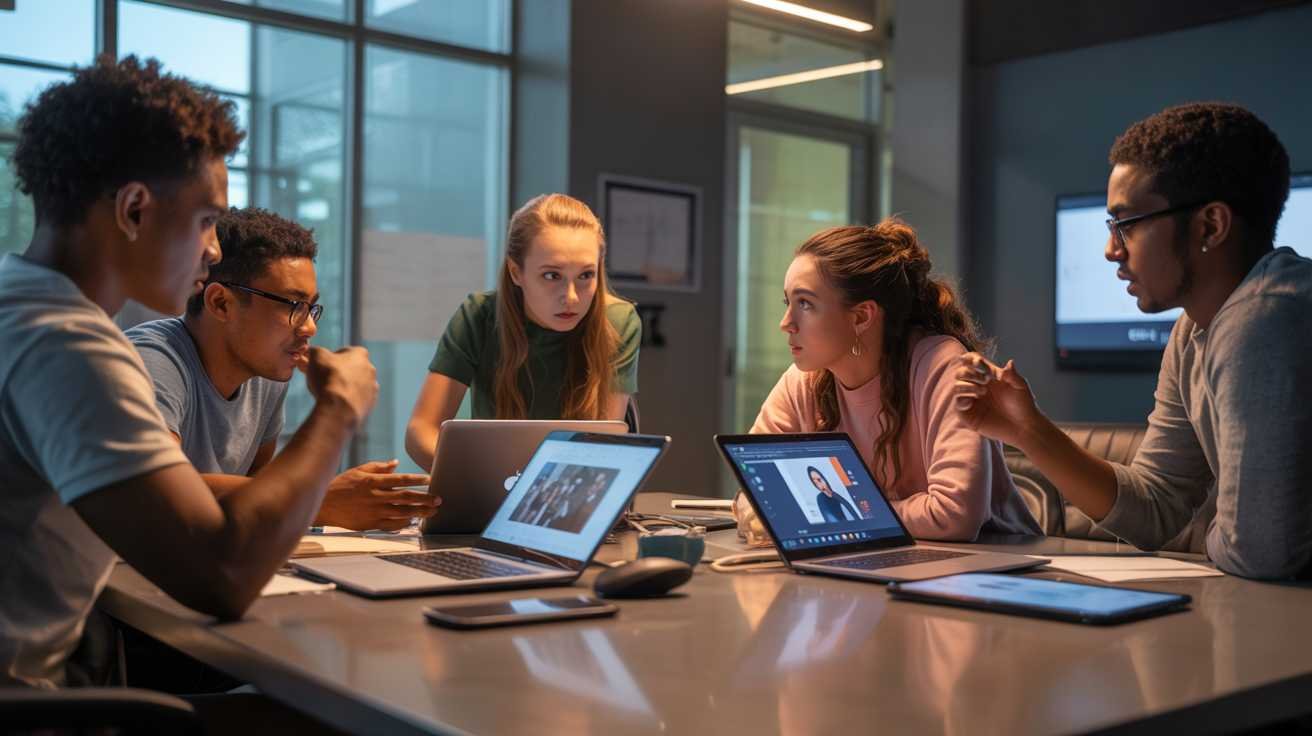
In today’s rapidly evolving educational landscape, the ability for students to collaborate effectively is no longer optional – it is a necessity. Classrooms are no longer confined to four walls; digital platforms and technology have expanded the boundaries of learning, creating opportunities for dynamic, interactive, and global collaboration. Imagine a room buzzing with creativity, where students are not just sitting silently, but actively exchanging ideas, debating concepts, and building projects together in real-time. This is not a distant vision; it is happening now, powered by innovative technological tools that enable even the most reserved students to participate fully. Mississippi educators seeking to maintain their mississippi educators license must recognize that fostering collaboration through technology is a core competency, one that demonstrates both instructional agility and a forward-thinking approach to learning. Schools integrating collaborative tools like shared digital whiteboards, cloud-based project management platforms, and synchronous video collaboration are reporting dramatic improvements in student engagement, critical thinking, and problem-solving skills, making it clear that the future belongs to those who embrace technology-driven teamwork.
Harnessing Cloud-Based Platforms for Real-Time Collaboration
The cloud is transforming classrooms into interactive hubs of creativity and teamwork. Platforms such as Google Workspace, Microsoft Teams, and Zoom provide students with instant access to shared documents, collaborative spreadsheets, and virtual brainstorming spaces that transcend geographical limitations. The sensory experience of collaborating in real-time – watching a peer’s ideas materialize on a shared screen while contributing your own insights – creates a tangible sense of immediacy and urgency. Mississippi educators who hold a mississippi educators license understand that proficiency in these platforms not only enhances learning outcomes but also prepares students for the collaborative nature of modern workplaces. Studies indicate that cloud-based collaboration improves retention rates by up to 25% when students actively engage with their peers in creating and editing content together. These platforms also ensure accountability and security, with verified access controls and secure cloud storage, giving teachers peace of mind that student data is protected. Missing out on integrating these tools now means depriving students of critical digital skills they will need to thrive in higher education and beyond.
Gamification as a Catalyst for Engagement
Introducing gamification into collaborative projects is like injecting pure adrenaline into the learning process. Imagine students eagerly logging into a platform, each task feeling like a thrilling quest, complete with rewards, points, and visible progress bars. The excitement is palpable, and the competitive edge motivates learners to engage deeply with peers, enhancing both collaboration and comprehension. For Mississippi educators maintaining a mississippi educators license, gamified learning is more than just a trend – it’s a scientifically backed strategy that leverages dopamine-driven engagement to solidify understanding. When students work together to unlock achievements, solve challenges, or complete collaborative missions, they build both interpersonal and technical skills in ways that traditional lectures cannot match. By integrating secure gamified platforms with responsive customer service and verified metrics, educators can track participation, progress, and learning outcomes with precision, ensuring every student benefits. Failing to adopt gamification now risks leaving classrooms stagnant and students disengaged, highlighting the urgent need for technology-driven collaboration.
Video Collaboration Tools: Bringing Ideas to Life
Video-based collaboration tools have revolutionized the way students express ideas, present projects, and communicate with peers. Platforms like Flipgrid, Zoom, and Loom allow learners to record, share, and comment on each other’s work, creating a rich tapestry of interaction that goes beyond text-based communication. Visual and auditory cues, facial expressions, and tone of voice enhance understanding, fostering empathy and connection among students. Mississippi educators who rely on their mississippi educators license recognize that integrating video tools into classroom collaboration not only enriches learning but also mirrors real-world communication practices. Verified studies show that students who participate in video-based group work demonstrate a 30% increase in engagement and a 20% improvement in retention compared to traditional methods. These platforms also prioritize security, with encrypted sessions and controlled access, ensuring that collaborative efforts remain safe and focused. The sense of FOMO is real – every moment students spend away from these tools is a lost opportunity to connect, innovate, and excel in an increasingly digital academic environment.
Interactive Whiteboards: Making Collaboration Tangible
Interactive whiteboards provide a tactile and visually stimulating way for students to brainstorm, plan, and co-create in real-time. The experience of drawing, annotating, and moving digital objects across a shared board transforms abstract ideas into concrete visualizations, engaging multiple senses simultaneously. Mississippi educators with a mississippi educators license who implement these tools report higher levels of participation, especially among students who struggle in conventional classroom settings. Imagine the thrill as students watch their classmates’ contributions appear instantly on the board, sparking spontaneous discussion and iterative problem-solving. Leading educational research highlights that hands-on, visual collaboration improves comprehension by reinforcing neural pathways through multimodal engagement. Interactive whiteboards also integrate seamlessly with other cloud-based platforms, allowing students to save work, share feedback, and continue collaboration outside the classroom. Delaying the adoption of such technology risks leaving students disconnected from powerful learning experiences that could define their academic trajectories.
Project Management Software: Teaching Organization Through Collaboration
Structured collaboration requires effective organization, and project management software equips students with tools to plan, track, and execute collective tasks efficiently. Platforms like Trello, Asana, and Monday.com provide a visual, step-by-step approach to team projects, assigning responsibilities, setting deadlines, and tracking progress in real-time. Mississippi educators who maintain a mississippi educators license understand that these platforms cultivate essential life skills such as accountability, time management, and communication, all within the framework of collaborative learning. Picture students navigating an interactive dashboard, color-coded tasks reflecting both individual contributions and collective milestones, creating an immersive and dynamic learning environment. Data from verified educational sources indicates that teams using project management tools experience a 35% increase in task completion rates and improved peer-to-peer communication. The FOMO is undeniable – students without access to these tools miss out on mastering digital collaboration skills that are critical for college and career success, making it imperative for educators to act now.
Peer Review Platforms: Elevating Critical Thinking and Collaboration
Peer review platforms foster a culture of constructive feedback, reflection, and iterative improvement, essential components of collaborative learning. Tools like Peergrade and Turnitin’s PeerMark enable students to evaluate each other’s work, offering insights that spark discussion and innovation. For Mississippi educators holding a mississippi educators license, integrating peer review technology is a strategic approach to encourage deeper learning, critical thinking, and interpersonal communication. Imagine a student receiving detailed feedback from peers across different classrooms, engaging in thoughtful dialogue, and refining their work in response – each interaction enhancing both comprehension and collaboration. Verified studies show that structured peer review increases student engagement and retention while teaching invaluable soft skills. The platforms are designed with robust security, verified submission records, and responsive support, ensuring smooth operation and trustworthiness. Missing this opportunity leaves students deprived of vital interactive learning experiences, reinforcing the urgency for immediate adoption.
Virtual Reality and Augmented Reality: Immersive Collaborative Learning
Virtual Reality (VR) and Augmented Reality (AR) are pushing the boundaries of what collaborative learning can look like, offering immersive experiences that transport students to entirely new environments. Imagine learners exploring the human bloodstream together in 3D, collaborating on architectural designs in a virtual city, or conducting joint scientific experiments with realistic simulations. Mississippi educators who leverage VR and AR while maintaining a mississippi educators license are positioning themselves at the forefront of educational innovation, demonstrating both technical mastery and a commitment to student engagement. Verified research shows that immersive collaboration significantly enhances knowledge retention, spatial reasoning, and problem-solving skills. The sensory richness – sight, sound, and sometimes even touch – creates a level of engagement that traditional methods simply cannot match. Schools implementing these technologies report higher participation rates, increased enthusiasm, and stronger collaborative outcomes. For educators and students alike, the FOMO is palpable: failing to integrate VR and AR now risks missing a transformative leap in educational experience.
Data-Driven Insights: Measuring and Enhancing Collaboration
Technology not only enables collaboration but also allows educators to measure its effectiveness with precision. Learning analytics platforms track engagement, participation, and outcomes, providing actionable insights that can refine teaching strategies. Mississippi educators who maintain a mississippi educators license can use these verified data-driven tools to identify trends, highlight student strengths, and intervene in areas of struggle, ensuring no learner is left behind. Imagine dashboards filled with visual indicators of collaboration – heatmaps of active discussion, timelines of project milestones, and graphs reflecting team contribution levels – giving educators a clear and immediate picture of classroom dynamics. Verified sources indicate that data-driven collaboration interventions can boost student performance by up to 20%, emphasizing the critical importance of timely adoption. The urgency is undeniable: educators who delay leveraging data analytics risk falling behind in fostering effective, technology-mediated collaboration, ultimately limiting their students’ potential.
Call to Action: Transform Your Classroom Today
The time to act is now. Every moment spent without integrating collaborative technology into your classroom is an opportunity lost to empower students, increase engagement, and build skills essential for the future. Mississippi educators holding a mississippi educators license must embrace these strategies immediately to stay ahead of the curve and meet the evolving demands of 21st-century education. By adopting cloud platforms, gamification, video collaboration, interactive whiteboards, project management software, peer review tools, VR/AR experiences, and data-driven insights, you create a learning environment that is dynamic, immersive, and irresistibly engaging. The FOMO is real – your peers are already implementing these tools, and their students are reaping the rewards of heightened collaboration, creativity, and critical thinking. Don’t wait. Upgrade your classroom, elevate your students, and solidify your professional standing today. Start now with trusted, secure, and responsive platforms that guarantee verified results and transform the way students learn together. Mississippi educators license holders can access resources and training that will ensure their success and compliance while driving meaningful educational impact.


