
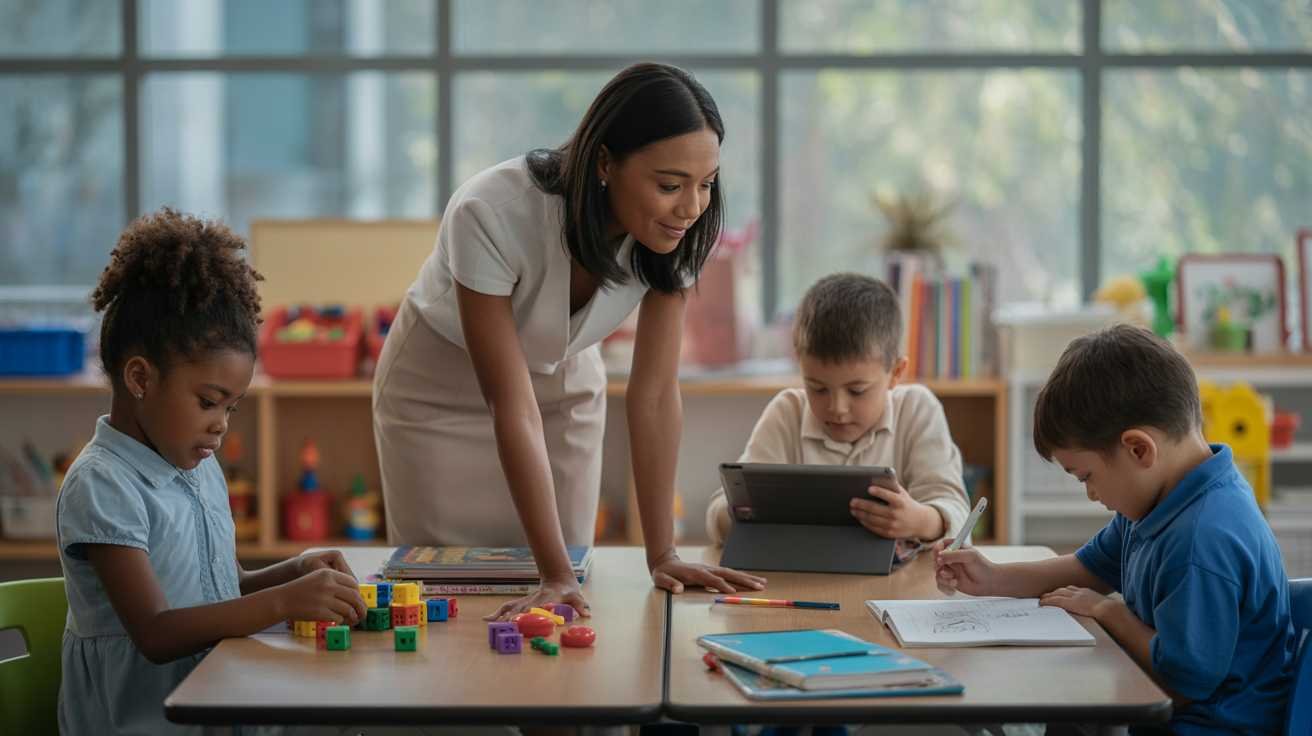
In the ever-evolving landscape of education, the urgency to cater to the diverse learning preferences of students has never been more critical. The traditional one-size-fits-all approach is rapidly becoming obsolete, replaced by dynamic, inclusive strategies that recognize and celebrate individual learning styles. Educators are now tasked with the imperative to adapt, innovate, and implement techniques that resonate with every student. This isn’t just a trend; it’s a necessity for fostering an environment where all learners can thrive. The clock is ticking, and the window to implement these transformative practices is narrowing. Don’t miss out on the opportunity to revolutionize your teaching methods and truly engage every student in your classroom.
Understanding the Spectrum of Learning Preferences
Students enter the classroom with a myriad of learning preferences, each shaped by their unique experiences, backgrounds, and cognitive processes. Visual learners absorb information best through images, diagrams, and written instructions. Auditory learners grasp concepts more effectively when they can hear information, benefiting from discussions, lectures, and audio materials. Kinesthetic learners need to engage in physical activities, using movement and hands-on experiences to understand new concepts. Recognizing these diverse preferences is the first step in creating an inclusive learning environment. By acknowledging and accommodating these differences, educators can design lessons that are more engaging and effective, ensuring that no student is left behind.
Implementing Universal Design for Learning (UDL)
Universal Design for Learning (UDL) is a framework that guides the development of flexible learning environments to accommodate individual learning differences. UDL emphasizes the need for multiple means of representation, engagement, and expression. By providing various ways to present information, such as through text, audio, video, and interactive media, educators can cater to the diverse needs of their students. Additionally, offering multiple avenues for students to demonstrate their understanding – be it through written reports, oral presentations, or creative projects – ensures that all learners have the opportunity to succeed. UDL is not just a strategy; it’s a commitment to inclusivity and equity in education.
Leveraging Differentiated Instruction
Differentiated instruction involves tailoring teaching methods to accommodate the varying abilities and learning styles of students. This approach requires educators to assess students’ readiness levels, interests, and learning profiles to provide appropriate challenges and support. Techniques such as flexible grouping, tiered assignments, and scaffolded support allow teachers to meet the diverse needs of their students. For instance, in a mixed-ability classroom, students might be grouped according to their proficiency levels, with each group working on tasks that are appropriately challenging. Differentiation ensures that all students are engaged and supported, promoting a deeper understanding of the material.
Incorporating Technology to Enhance Learning
In the digital age, technology plays a pivotal role in engaging students with diverse learning preferences. Interactive tools, educational apps, and online platforms can provide personalized learning experiences that cater to individual needs. For example, platforms like Khan Academy and Duolingo offer adaptive learning paths that adjust to a student’s progress and performance. Gamified learning experiences, such as those found in platforms like Kahoot! and Quizlet, can motivate students by making learning fun and competitive. By integrating technology thoughtfully, educators can create dynamic learning environments that resonate with today’s tech-savvy students.
Fostering a Growth Mindset
Encouraging a growth mindset – the belief that abilities and intelligence can be developed through dedication and hard work – is crucial in motivating students. When students understand that effort leads to improvement, they are more likely to embrace challenges and persist in the face of setbacks. Educators can foster a growth mindset by praising effort rather than innate ability, framing mistakes as learning opportunities, and setting high expectations for all students. This approach not only boosts motivation but also cultivates resilience and a love for learning, essential traits for success in the 21st century.
Creating a Supportive and Inclusive Classroom Environment
A classroom that is physically and emotionally supportive enhances student motivation and engagement. This includes establishing clear expectations, promoting positive behaviors, and creating a safe space where all students feel valued and respected. Strategies such as cooperative learning, peer tutoring, and restorative practices can build a sense of community and belonging. When students feel supported and connected, they are more likely to be motivated to participate and succeed. An inclusive environment celebrates diversity and encourages students to appreciate and learn from each other’s differences.
Providing Opportunities for Student Choice and Autonomy
Allowing students to have a voice in their learning process can significantly increase motivation. When students are given choices in how they learn and demonstrate their understanding, they are more invested in their education. This can be achieved through project-based learning, where students select topics of interest, or through offering various assignment formats, such as written reports, videos, or presentations. Providing opportunities for autonomy empowers students to take ownership of their learning, fostering intrinsic motivation and a deeper connection to the material.
Utilizing Formative Assessment to Guide Instruction
Formative assessments are tools that provide ongoing feedback about student learning, allowing educators to adjust instruction accordingly. Techniques such as quizzes, polls, peer reviews, and self-assessments can inform teachers about students’ understanding and areas that need further attention. By regularly collecting and analyzing this data, educators can make timely adjustments to their teaching strategies, ensuring that all students are progressing and receiving the support they need. Formative assessment is not about assigning grades; it’s about guiding and improving the learning process.
Engaging Families and Communities in the Learning Process
Education extends beyond the classroom, and involving families and communities can enhance student motivation and achievement. Regular communication with parents, inviting them to participate in school events, and encouraging them to support learning at home can create a collaborative environment that reinforces the value of education. Community partnerships can provide real-world connections to the curriculum, making learning more relevant and meaningful. When students see that their education is supported by a network of caring adults, they are more likely to be motivated to succeed.


