
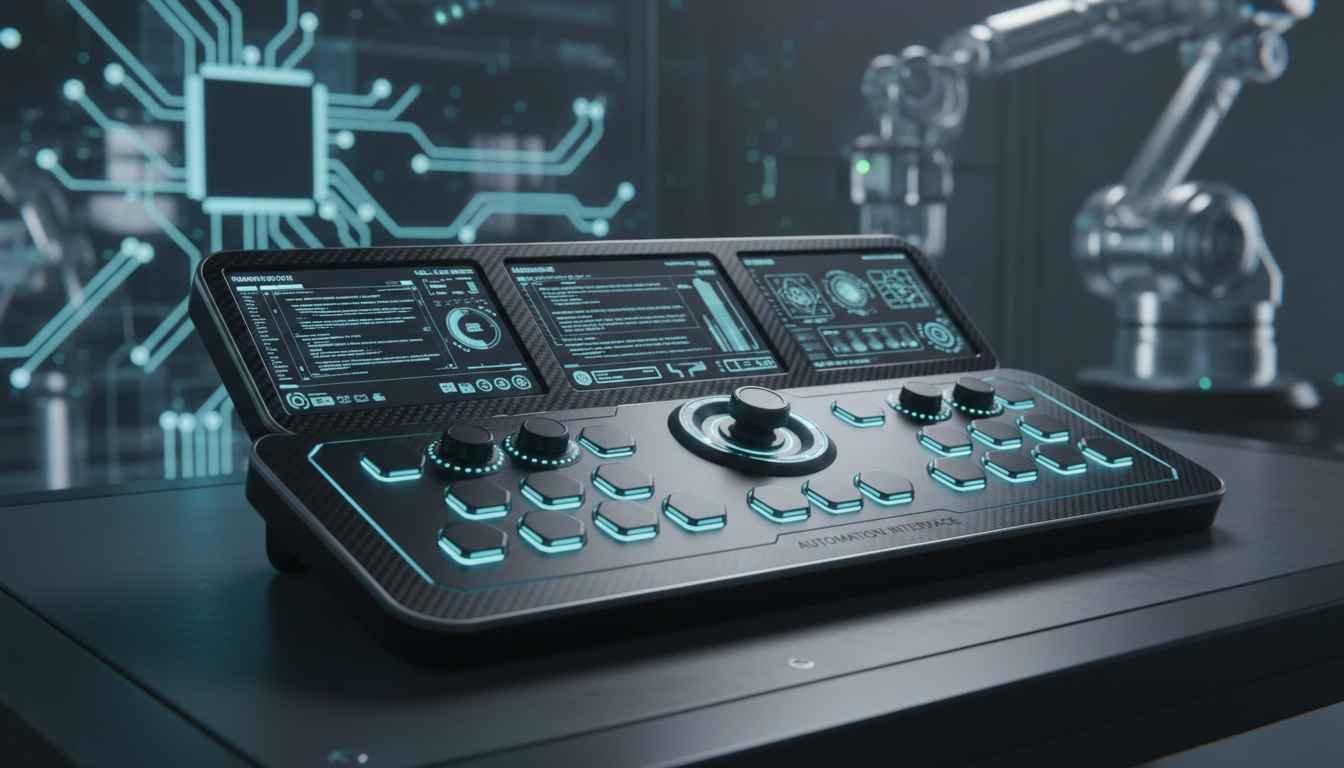
Think of a technologic controller as the engine management system in a modern car. Just as the engine control unit ensures optimal performance, a technologic controller orchestrates devices and systems, keeping operations smooth, efficient, and precise. In technology-driven environments, these controllers serve as the central nervous system, regulating data flow, timing, and responses across complex setups.
Before you start
Ensure you have a clear understanding of your system requirements. Check compatibility with your existing devices, verify the communication protocols, and assess your power needs. Familiarity with basic programming or configuration interfaces is recommended, as is access to reliable documentation.
At its core, a technologic controller integrates hardware and software to manage automation processes. From industrial machinery to home automation, these controllers reduce human error, increase efficiency, and enable real-time monitoring. According to Dr. Maria Jensen, a systems automation consultant, “The precision offered by modern controllers can improve operational efficiency by up to 30 percent, depending on the application.” This level of control is crucial for businesses aiming to optimize both resources and output.
In the rapidly evolving landscape of the semiconductor industry, the demand for top-tier talent has never been more critical. As companies strive to innovate and maintain a competitive edge, traditional recruitment methods often fall short of attracting the specialized skill sets required. This is where strategic approaches to talent acquisition come into play, particularly in the realm of executive search. By leveraging cutting-edge techniques, organizations can enhance their ability to identify and engage high-caliber professionals. For those looking to navigate this complex process, understanding the nuances of semiconductor technology executive search strategies is essential to securing the leadership necessary for driving growth and innovation in this pivotal sector.
As industries strive for greater efficiency and precision, the role of technologic controllers becomes increasingly vital. These sophisticated systems not only streamline operations but also enhance the capabilities of advanced manufacturing technologies. A prime example of innovation in this realm is seen in the work of beijing perfectlaser technology co ltd, which specializes in high-precision laser systems tailored for various sectors, including industrial manufacturing and aerospace. By integrating such cutting-edge technologies with effective control systems, companies can achieve unprecedented levels of accuracy and productivity, ultimately transforming the landscape of modern manufacturing. As organizations continue to adopt these solutions, the synergy between automation and precision will define the future of operational excellence.
Functionality often includes scheduling, data logging, and remote monitoring. Many models now support IoT integration, allowing devices to communicate over networks seamlessly. Users can analyze patterns, predict maintenance needs, and adjust operations dynamically. To explore options and technical specifications, visit La Crosse Technology for a comprehensive range of controllers and monitoring devices.
Potential Drawbacks
While highly versatile, technologic controllers are not universally ideal. Small-scale operations with limited automation needs may find them unnecessarily complex or costly. Additionally, improper installation or misconfiguration can lead to system inefficiencies or downtime. Continuous software updates may also be required to maintain compatibility with newer devices.
Business Model Canvas Perspective
From a strategic viewpoint, the value proposition lies in reliability, precision, and operational optimization. Customer segments range from industrial manufacturers to technology enthusiasts. Revenue streams include device sales, software licenses, and subscription-based monitoring services. Key activities involve research, development, and customer support, while partnerships with hardware manufacturers and IoT service providers expand functionality. Cost structures focus on R&D, production, and quality assurance.
Ultimately, a technologic controller is a critical asset for businesses and tech-savvy individuals seeking systematic oversight of automated systems. By aligning capabilities with operational demands and acknowledging potential limitations, organizations can harness its full potential.


