Gestalt language learning is a natural language acquisition style in which individuals learn and process language in larger chunks or phrases rather than building communication word by word. While traditional language development often follows an analytic pattern, gestalt learners acquire meaningful scripts, expressions, and phrases before breaking them down into smaller language units.
In recent years, educators, speech-language professionals, and parents have become increasingly interested in understanding how gestalt language processing influences communication development. Recognizing this learning style can help create more effective support strategies and foster stronger language growth.
What Is Gestalt Language Learning?
Gestalt language learning is a language acquisition process where learners absorb entire phrases, sentences, or expressions as single units of meaning. Instead of first learning individual words and then combining them into sentences, gestalt learners often begin with complete language chunks.
For example, a child may say an entire phrase such as “Let’s go outside!” without fully understanding each individual word. Over time, the learner starts recognizing patterns within these phrases and gradually develops more flexible language skills.
This approach differs from traditional analytic language development, where learners typically build language one word at a time.
Who Is a Gestalt Language Learner?
A gestalt language learner acquires communication through memorized phrases, scripts, songs, media quotes, routines, and commonly heard expressions. These language chunks often serve specific communicative purposes.
Gestalt learners may:
- Repeat phrases heard from parents, teachers, or media.
- Use entire scripts in social situations.
- Communicate effectively using memorized language.
- Show delayed flexibility with spontaneous language generation.
- Develop language patterns differently from analytic learners.
It is important to understand that this learning style is not necessarily a disorder. Rather, it represents a different pathway for language development.
The Difference Between Analytic and Gestalt Language Learning
Language development is not identical for every learner. While many individuals develop language analytically, others naturally follow a gestalt path.
Analytic Language Learners
- Learn single words first.
- Combine words into phrases.
- Gradually build sentence structure.
- Develop grammar incrementally.
Gestalt Language Learners
- Learn phrases as whole units.
- Store scripts and language chunks.
- Break phrases into smaller parts over time.
- Eventually create original language combinations.
Both approaches can lead to effective communication, although the developmental journey may look different.
Stages of Gestalt Language Learning
Researchers and speech-language professionals often describe several developmental stages within gestalt language acquisition.
Stage 1: Whole Language Gestalts
At this stage, learners use complete phrases exactly as they have heard them. These expressions are often tied to specific emotions, routines, or situations.
Examples may include:
- “Time to clean up.”
- “Do you want a snack?”
- “Let’s get ready.”
Stage 2: Breaking Down Language Chunks
Learners begin noticing patterns within phrases and start mixing portions of different expressions.
This demonstrates growing awareness of language structure and meaning.
Stage 3: Creating Smaller Language Units
As understanding improves, learners begin producing shorter, more flexible combinations.
Language becomes increasingly adaptable across different situations.
Stage 4: Self-Generated Language
The learner develops the ability to create original phrases and sentences rather than relying primarily on memorized scripts.
Communication becomes more spontaneous and context-specific.
Why Gestalt Language Learning Matters
Understanding gestalt language processing allows educators and caregivers to support communication development more effectively. Misinterpreting scripted language as meaningless repetition can lead to missed opportunities for growth.
Instead, recognizing scripts as meaningful communication helps adults build on existing strengths.
Language development varies significantly among learners, which is why understanding related topics such as language based learning disability can provide valuable insight into different communication and literacy challenges.
Natural Language Learning Through Real-Life Experiences
One of the most important aspects of natural language learning is meaningful exposure to communication. Gestalt learners often benefit from authentic language experiences that connect words to emotions, actions, and social interactions.
Effective language-rich environments include:
- Daily conversations
- Storytelling activities
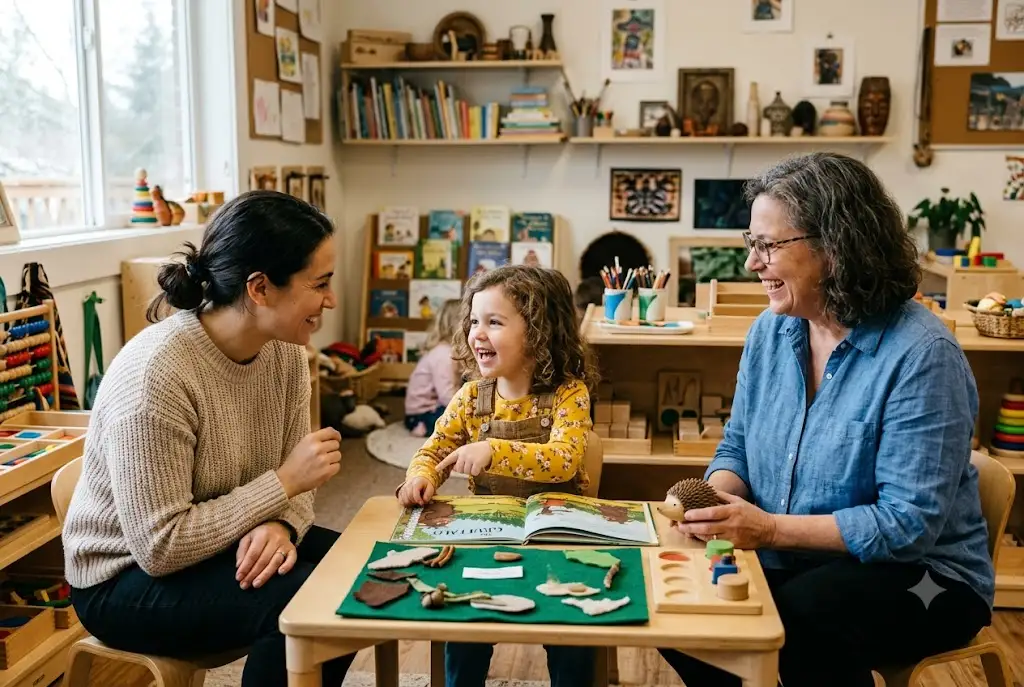
- Interactive reading sessions
- Role-playing games
- Songs and music
- Social engagement opportunities
These experiences provide repeated exposure to useful language patterns while maintaining meaningful context.
Language Acquisition Methods and Gestalt Processing
Different language acquisition methods support language growth in different ways. For gestalt learners, strategies that prioritize communication over memorization of isolated vocabulary are often particularly beneficial.
Helpful approaches may include:
- Modeling natural language.
- Expanding on learner communication.
- Providing meaningful repetition.
- Using visual supports when appropriate.
- Creating engaging conversational opportunities.
- Encouraging shared attention activities.
Rather than forcing learners to abandon scripts immediately, effective support builds from existing language strengths.
Supporting a Gestalt Language Learner at Home
Parents play a significant role in language development. Supporting a gestalt language learner begins with understanding that repeated phrases often carry genuine communicative intent.
Helpful strategies include:
- Responding to the meaning behind scripts.
- Modeling flexible language naturally.
- Reading books together regularly.
- Engaging in back-and-forth conversations.
- Avoiding pressure to repeat isolated words.
- Following the learner’s interests.
When communication feels meaningful and enjoyable, language development tends to progress more naturally.
Supporting Gestalt Learners in Educational Settings
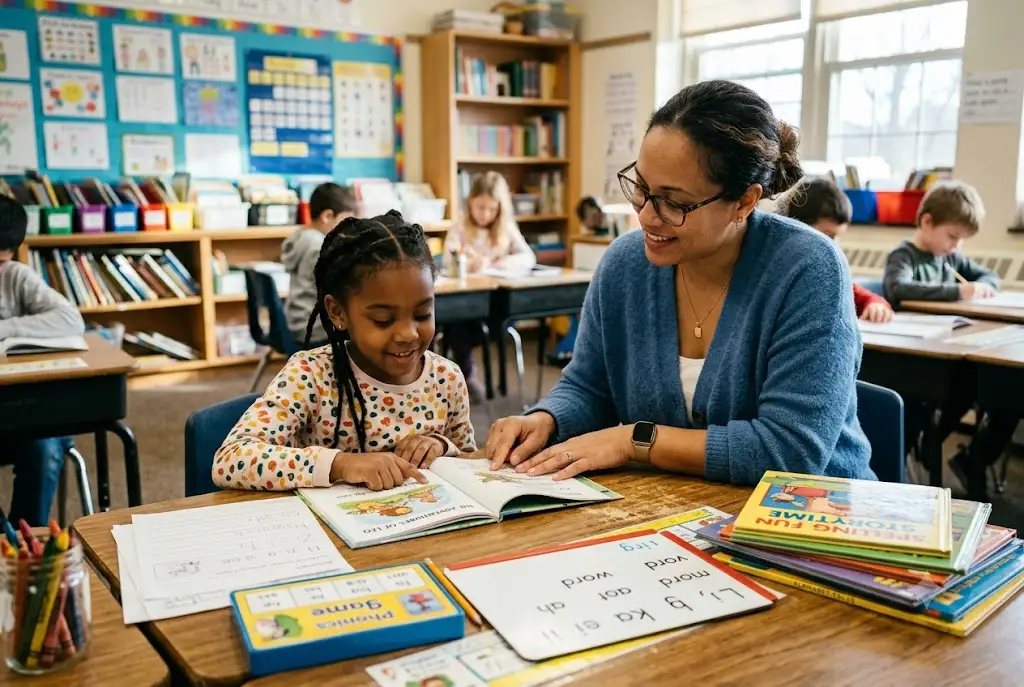
Teachers can create supportive learning environments by recognizing different language acquisition styles.
Effective classroom practices may include:
- Providing visual supports.
- Using predictable routines.
- Offering language-rich activities.
- Encouraging collaborative discussions.
- Building on student interests.
- Allowing multiple forms of communication.
Literacy instruction can also be strengthened by connecting language experiences to reading and writing activities. Educators interested in strengthening literacy outcomes may benefit from exploring learning language arts through literature as part of a broader language development strategy.
Common Misconceptions About Gestalt Language Learning
Myth: Scripts Are Meaningless Repetition
In reality, many scripts carry specific meanings and communicative purposes for the learner.
Myth: Gestalt Learners Cannot Develop Flexible Language
Most learners continue progressing through developmental stages and eventually create more spontaneous language.
Myth: All Learners Follow the Same Development Path
Language development varies considerably among individuals. Different learning pathways can still lead to effective communication outcomes.
The Connection Between Gestalt Learning and Literacy Development
As language skills develop, literacy growth often follows. Strong communication skills support reading comprehension, vocabulary development, storytelling, and written expression.
Understanding language acquisition styles helps educators create instruction that meets learners where they are while supporting continued progress.
Conclusion
Gestalt language learning represents a natural and meaningful approach to communication development. Rather than learning language one word at a time, gestalt learners often begin with larger language chunks and gradually develop more flexible communication skills.
By recognizing the strengths of a gestalt language learner and providing supportive, language-rich experiences, parents, educators, and professionals can help learners build confidence, communication abilities, and long-term literacy success. Understanding these diverse pathways ultimately creates more inclusive and effective language learning environments for everyone.