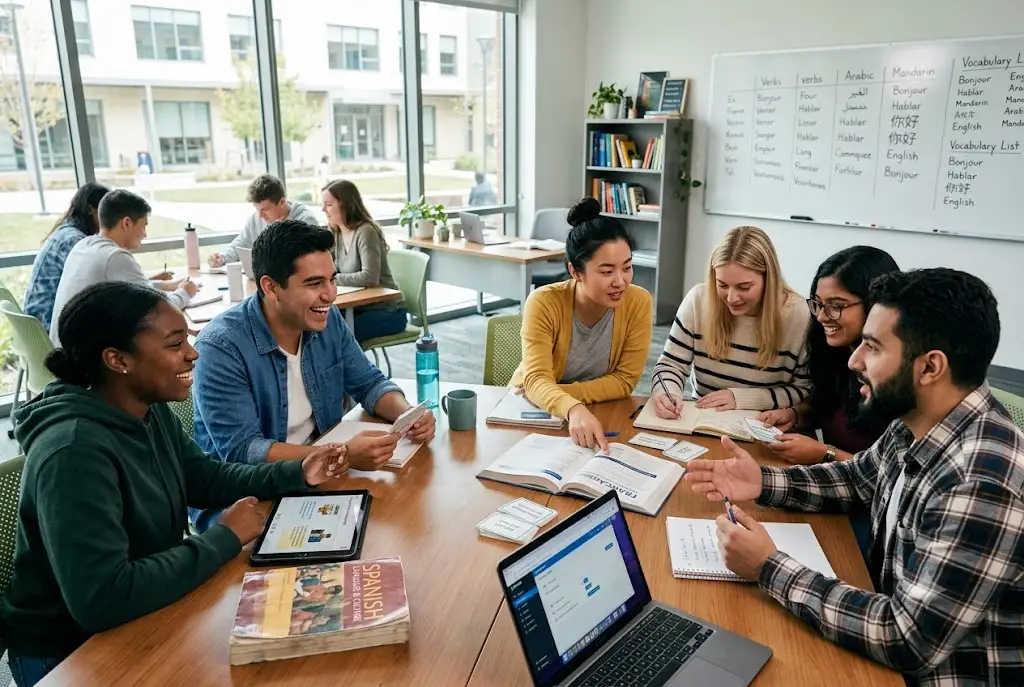
Second language learning is the process of acquiring the ability to understand, speak, read, and write in a language beyond one’s native language. In today’s interconnected world, learning additional languages offers significant academic, professional, cultural, and cognitive advantages.
Whether someone is studying a language for education, career advancement, travel, or personal growth, understanding how language acquisition works can make the learning journey more effective and rewarding. From traditional classroom instruction to immersive experiences, learners now have more opportunities than ever to develop multilingual communication skills.
What Is Second Language Learning?
Second language learning refers to acquiring a language after developing proficiency in a first language. While the term often refers to learning one additional language, it can also apply to situations where learners continue adding multiple languages throughout their lives.
Unlike first-language acquisition, which occurs naturally during childhood, second-language development often involves a combination of formal instruction, exposure, practice, and meaningful communication experiences.
Modern research shows that people of all ages can successfully learn additional languages when provided with effective learning opportunities and consistent practice.
Why Second Language Learning Matters
The ability to communicate in more than one language offers benefits that extend well beyond conversation. Language learning supports academic achievement, professional opportunities, cultural understanding, and personal development.
Key advantages include:
- Improved communication skills
- Enhanced problem-solving abilities
- Greater cultural awareness
- Expanded career opportunities
- Increased global mobility
- Access to diverse information sources
- Stronger cognitive flexibility
As globalization continues to connect communities and businesses, multilingual communication is becoming an increasingly valuable skill.
Understanding Language Acquisition
Language acquisition involves developing the ability to comprehend and use a language effectively. Researchers generally agree that successful language development depends on meaningful exposure, interaction, and repeated opportunities to communicate.
Language acquisition includes several interconnected skills:
- Listening comprehension
- Speaking fluency
- Reading proficiency
- Writing ability
- Vocabulary development
- Grammar understanding
- Pronunciation skills
These components work together to support overall language competence.
Stages of Second Language Learning
Although every learner progresses differently, many experience similar developmental stages during language acquisition.
Initial Exposure Stage
Learners begin recognizing common sounds, words, and expressions. Comprehension often develops faster than speaking abilities during this phase.
Early Communication Stage
Students start using basic vocabulary and simple phrases to communicate essential needs and ideas.
Developing Fluency Stage
Vocabulary expands, sentence structures become more complex, and communication becomes increasingly comfortable.
Advanced Proficiency Stage
Learners can participate in sophisticated conversations, understand nuanced language, and communicate effectively across different contexts.
Bilingual Learning and Its Advantages
Bilingual learning occurs when individuals develop proficiency in two languages. This may happen simultaneously during childhood or sequentially when a second language is learned later in life.
Bilingual individuals often benefit from:
- Enhanced cognitive flexibility
- Improved attention control
- Greater cultural awareness
- Broader communication opportunities
- Increased employment prospects
Many educational systems now recognize bilingualism as a valuable asset that supports both academic and personal growth.
The Rise of Multilingual Learning
Beyond bilingualism, multilingual learning involves acquiring three or more languages. In many parts of the world, multilingual communication is a daily reality.
Advancements in technology, online education, and international collaboration have made multilingual learning more accessible than ever.
Benefits of multilingualism may include:
- Expanded global communication
- Access to diverse cultures
- Greater adaptability in international environments
- Broader educational opportunities
- Enhanced professional competitiveness
Effective Methods for Second Language Learning
Successful language learners often combine multiple approaches rather than relying on a single method.
Immersive Learning
Immersion involves surrounding oneself with the target language through conversations, media, books, and everyday interactions.
This approach helps learners develop natural communication skills and real-world language competence.
Structured Instruction
Formal courses provide systematic guidance in grammar, vocabulary, pronunciation, and communication skills.
Many learners benefit from balancing structured learning with practical language use.
Literature-Based Learning
Reading stories, novels, and informational texts exposes learners to authentic language usage. Approaches such as learning language arts through literature demonstrate how meaningful reading experiences can strengthen language development and literacy skills.
Conversation-Based Practice
Regular interaction with native speakers or fellow learners helps build confidence and communication fluency.
Language develops most effectively when learners actively use it in authentic situations.
Common Challenges in Second Language Learning
Learning a new language presents challenges for many students. However, understanding these obstacles can help learners develop effective strategies for overcoming them.
Common difficulties include:
- Vocabulary retention
- Pronunciation differences
- Grammar complexity
- Listening comprehension
- Speaking confidence
- Cultural communication differences
Patience, consistency, and regular practice are essential for long-term progress.
Supporting Learners with Different Language Development Needs
Not all learners acquire language in the same way. Some individuals may require specialized support due to unique communication or literacy challenges.
For example, students with a language based learning disability may need targeted instructional strategies that address language processing difficulties while supporting overall literacy growth.
Recognizing individual learning needs helps create more inclusive language learning environments.
Natural Language Development and Gestalt Learning
Language acquisition can occur through different developmental pathways. Some learners naturally process language in larger chunks before analyzing individual words and structures.
Understanding concepts such as gestalt language learning can help educators and parents better support diverse communication styles and learning preferences.
When instruction aligns with how learners process language, communication development often becomes more effective and enjoyable.
Technology and Modern Language Learning
Technology has transformed language education. Learners now have access to:
- Language learning apps
- Virtual tutoring
- Interactive online courses
- Video-based instruction
- Digital reading platforms
- Global language exchange communities
These resources provide flexible opportunities for practice and exposure, regardless of location.
How Parents and Educators Can Support Language Learners
Strong support systems contribute significantly to language learning success.
Helpful strategies include:
- Creating language-rich environments
- Encouraging regular reading
- Providing opportunities for conversation
- Celebrating progress and effort
- Using authentic learning materials
- Supporting consistent practice routines
Motivation and positive reinforcement often play a critical role in sustaining long-term language development.
The Future of Second Language Learning
As international communication continues to grow, second language learning will remain an essential educational priority. Advances in technology, artificial intelligence, and personalized learning systems are making language education more accessible and effective.
At the same time, increased cultural exchange is highlighting the importance of multilingual communication, global understanding, and cross-cultural collaboration.
Organizations such as the American Council on the Teaching of Foreign Languages (ACTFL) continue to promote research-based practices that support successful language acquisition and instruction.
Conclusion
Second language learning provides opportunities that extend far beyond mastering vocabulary and grammar. It strengthens communication skills, supports cognitive development, expands cultural understanding, and opens doors to new academic and professional possibilities.
Whether pursuing bilingual learning, multilingual learning, or personal language enrichment, learners who engage consistently with meaningful communication experiences can achieve lasting success. With the right strategies, support, and motivation, language acquisition becomes a lifelong asset that benefits individuals in countless ways.